
Plan your Hari Raya Eid menu with ease! A complete guide to classic dishes, plus how to build your menu with make-ahead tips and a stress-free timeline.
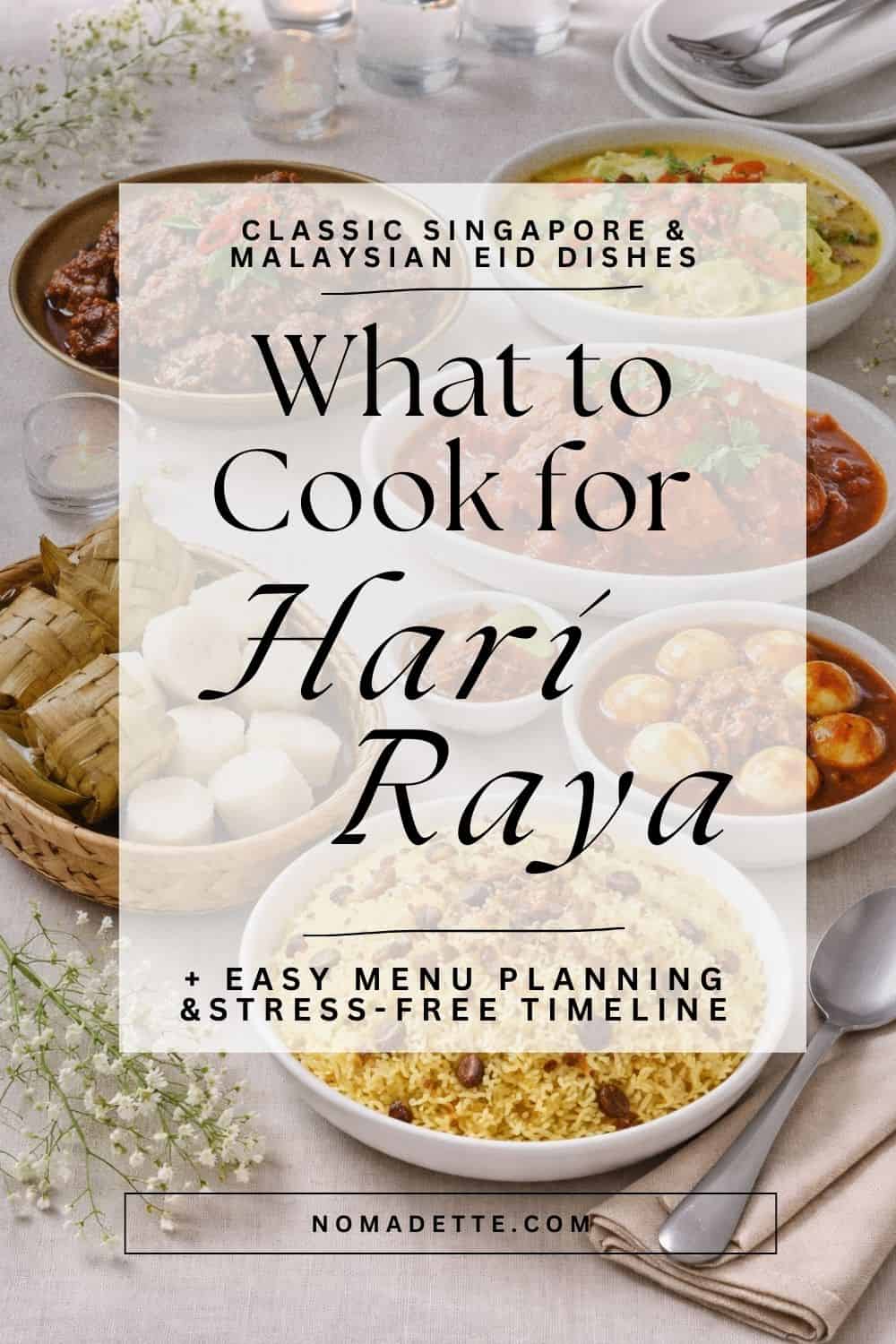
Eid is almost here! I’m excited to spruce up the house, wear my new kebayas, and, most importantly… feast my guts out! If you’re hosting Hari Raya this year (and skipping the ‘ordering’ route — no judgment), this is the only guide you’ll need to plan a successful feast.
Hari Raya in Singapore and Malaysia is all about family, food, and tradition. Even though the dishes are familiar, putting together a spread can feel overwhelming. Even more so if it’s your first time hosting.
In this post, I’ll walk you through all the classic dishes to make and exactly when to start preparing them, so you can enjoy the celebrations without spending the whole day in the kitchen. This guide is great for the first day of Eid, but it’s also great as a guide if you’re hosting family for the rest of the month.
Here’s to stress-free planning and your most delicious Eid yet!
Need more Eid inspiration?
Need more inspiration? Browse the Festive Index for even more ideas and recipes to fill your Hari Raya table.
1: The Star Proteins
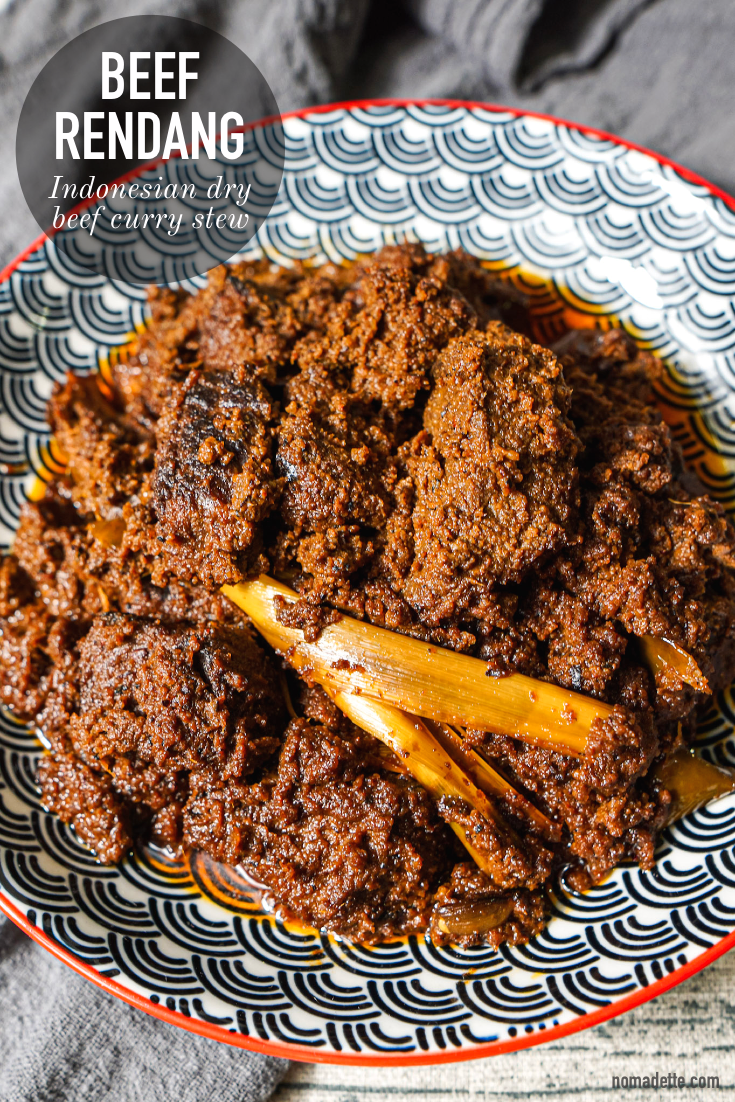
These are the heart of your Hari Raya table. You can skip almost everything else, but there should always be at least one gravy-based meat dish — it’s a must! That said, for a more complete and festive spread, 2–4 protein dishes is more typical.
Hari Raya dishes also tend to be gravy-based or saucy, as they’re usually prepared ahead of time and reheat beautifully. Because of this, simpler dry dishes like ayam goreng are less commonly served for the main celebration.
Most families go for a mix of beef (rendang!), chicken, and sometimes seafood. Lamb isn’t as traditional, but it can definitely be included if that’s something your family enjoys, especially in rendang or curry form.

Rendang Ayam

Ayam Masak merah

Satay Goreng
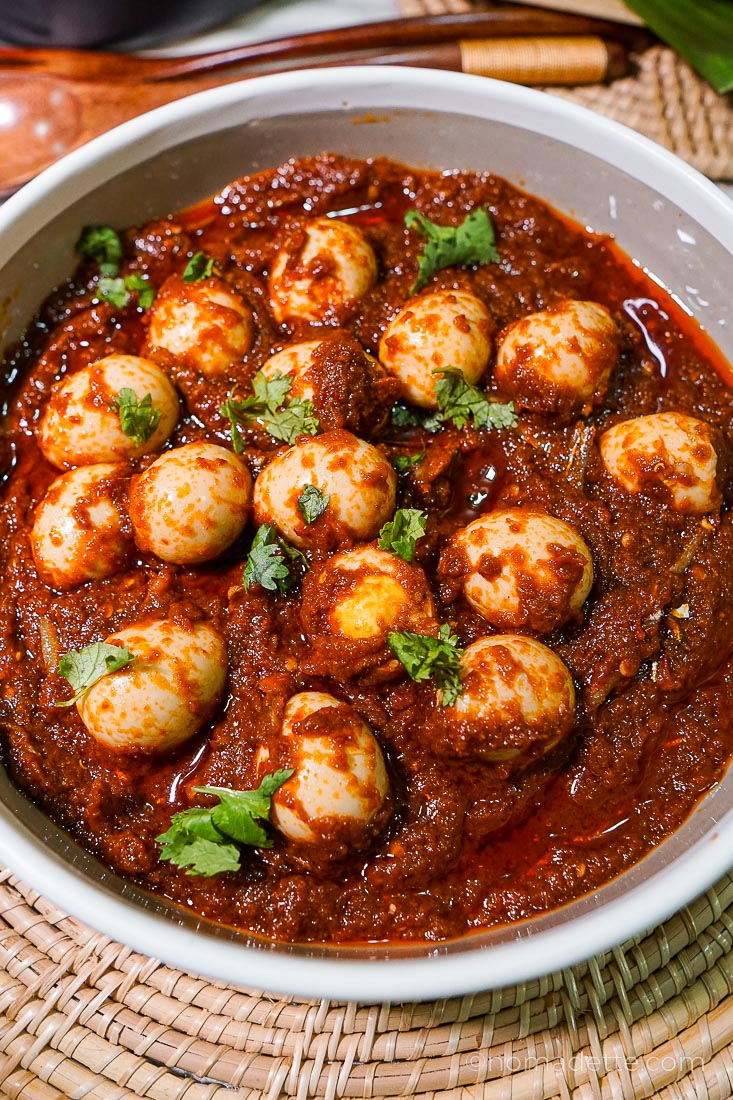
Sambal Telur
Here are the classics I recommend for your spread:
- Sambal Ayam (Sambal Chicken): Think of this as a less tomato-heavy version of Ayam Masak Merah, with deeper flavours from a heavier use of dried chillies and especially onions. It’s also the version most commonly served at weddings — often called Ayam Masak Merah Pengantin.
- Beef Satay Goreng(beef satay stirfry) with Kuah Kacang (peanut sauce): This one may not be as common but I have to include this in the list as it holds a special place in my heart — every Eid, my late grandma would serve her satay goreng with her delicious kuah kacang; we would flood our plates with it! I wish I had recorded her recipe while I still could. Beef satay goreng holds well and can be prepared a day in advance.
- Sambal Telur | Sambal Eggs: Instead of straight sambal, I love turning it into an egg dish. It adds extra variety to the dining table, and can serve as a condiment as well!
Mini meal planning tip
2: Rice Carb Base

Every Hari Raya spread needs that one staple rice-based carbohydrate to soak up all the delicious sauces. With rich, gravy-heavy dishes like rendang and kari ayam on the table, having something to pair them with isn’t optional… it’s essential. No rice, no life!
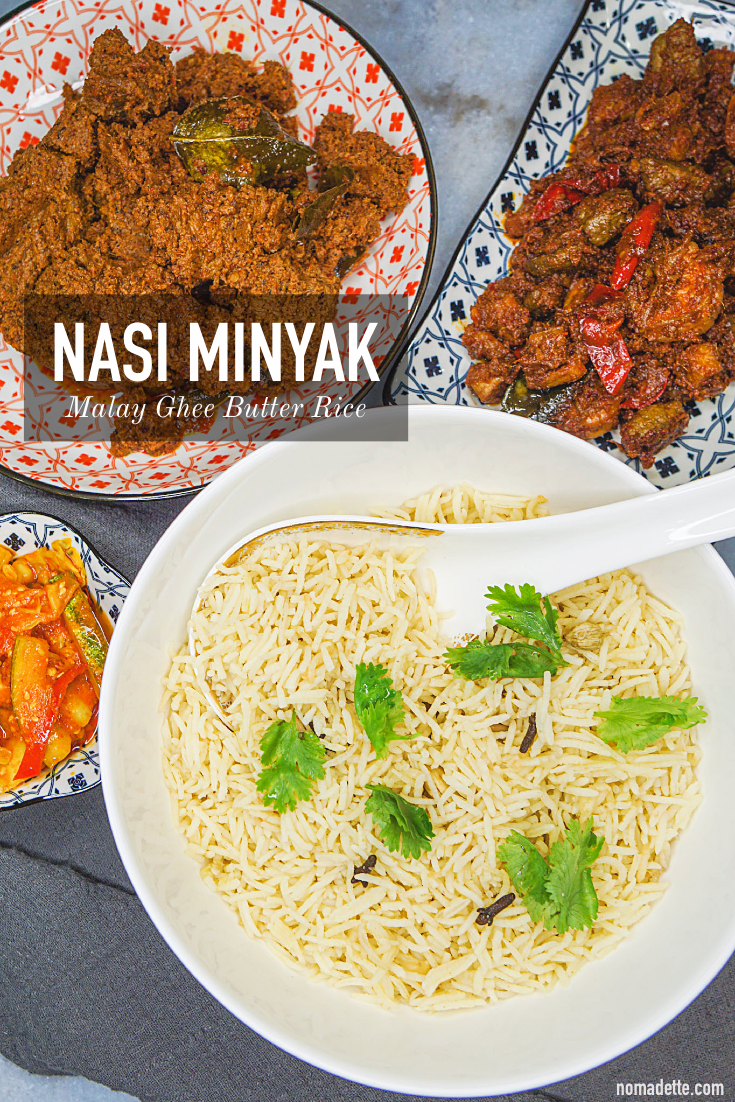
In my family, we usually go for Nasi Minyak or a combination of ketupat and lontong. These are the classics you’ll see across Singapore and Malaysia, and for good reason: they complement the bold flavours of the dishes without overpowering them.
Honestly though? Even plain steamed rice works perfectly fine. If you’re short on time or just want to keep things simple, don’t stress — your dishes will still shine.
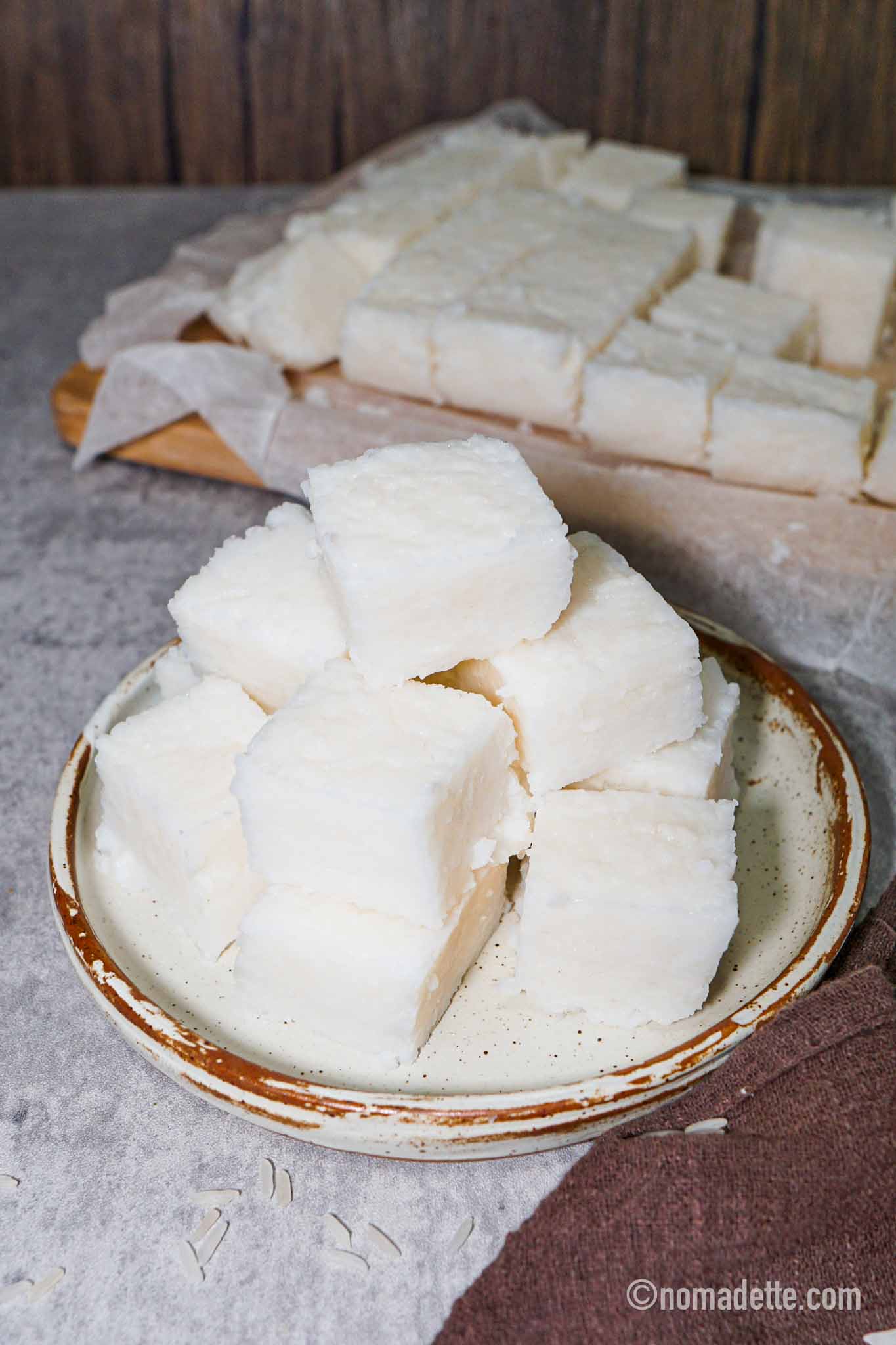
Nasi impit / lontong / ketupat

Nasi Tomato

lemang
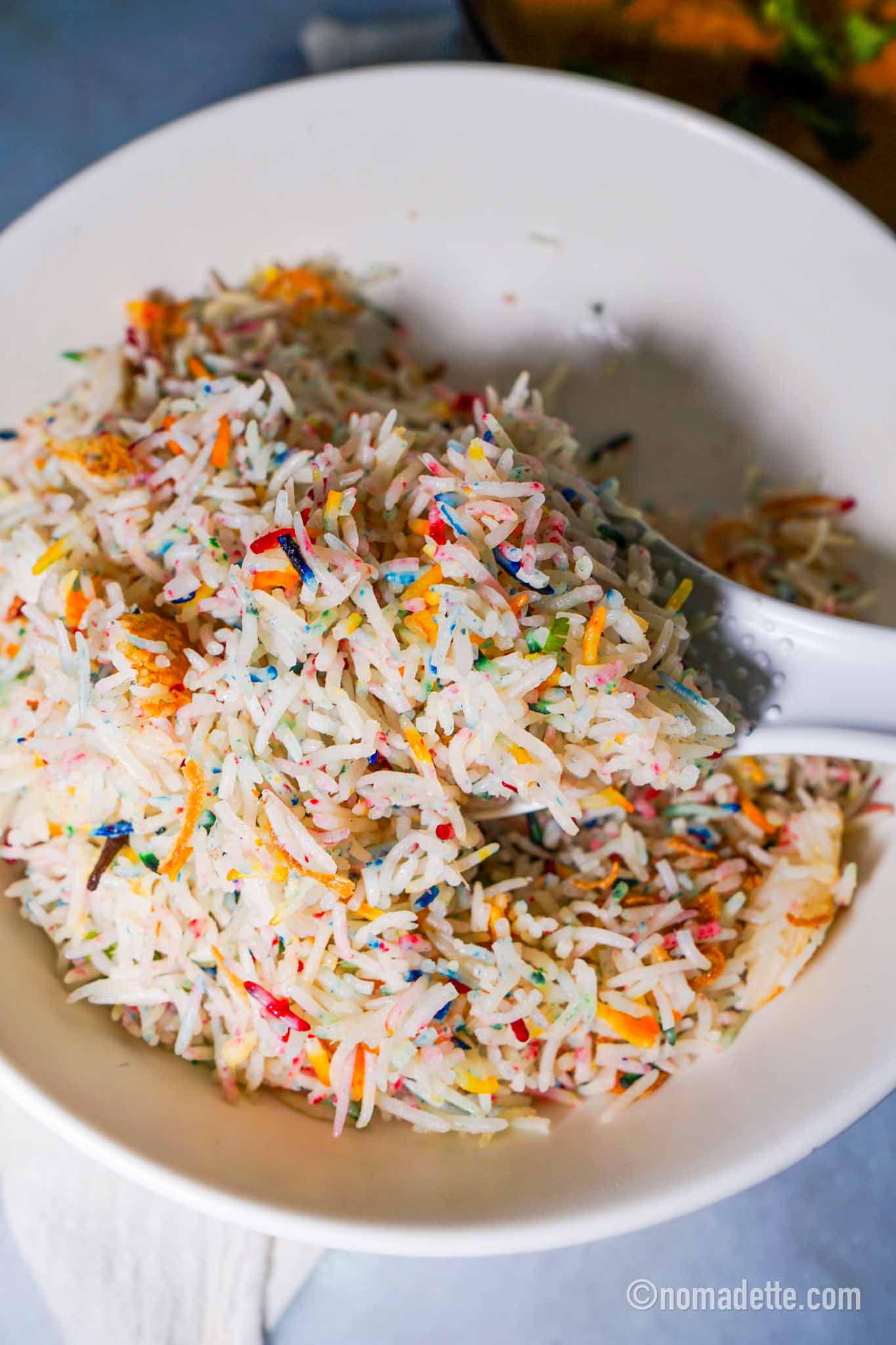
nasi hujan panas
Here’s my list:
- Steamed rice: to be perfectly honest, even plain regular rice is perfect for Eid! don’t stress.
Mini meal planning tip
3: Vegetables & Lighter Sides
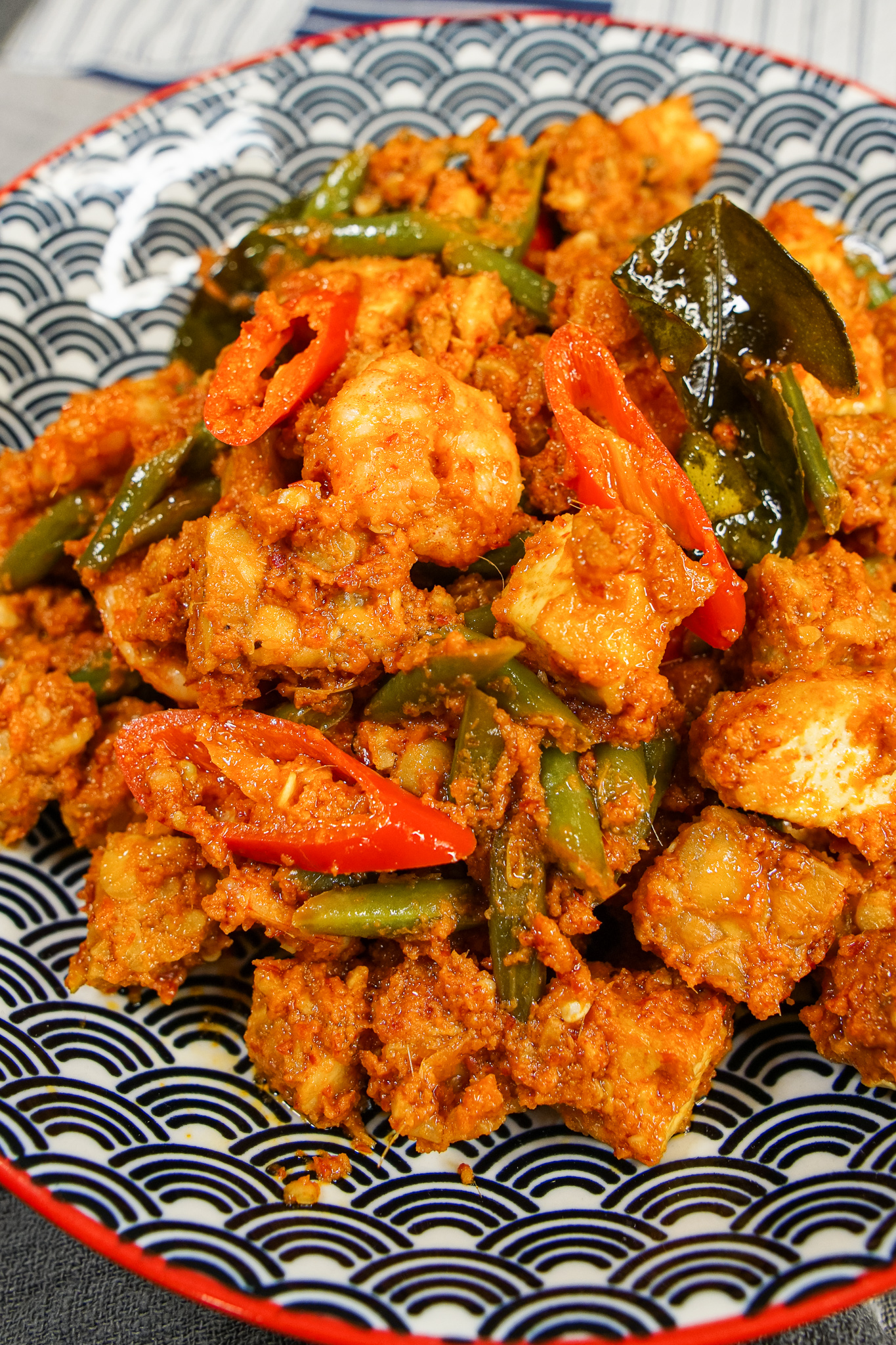
To help balance the richness of your protein-heavy spread and add much-needed colour and freshness to the table, make sure to add a vegetable dish! While some of them aren’t strictly “vegetables,” they’re traditionally grouped here because they complement the heavier dishes so well.
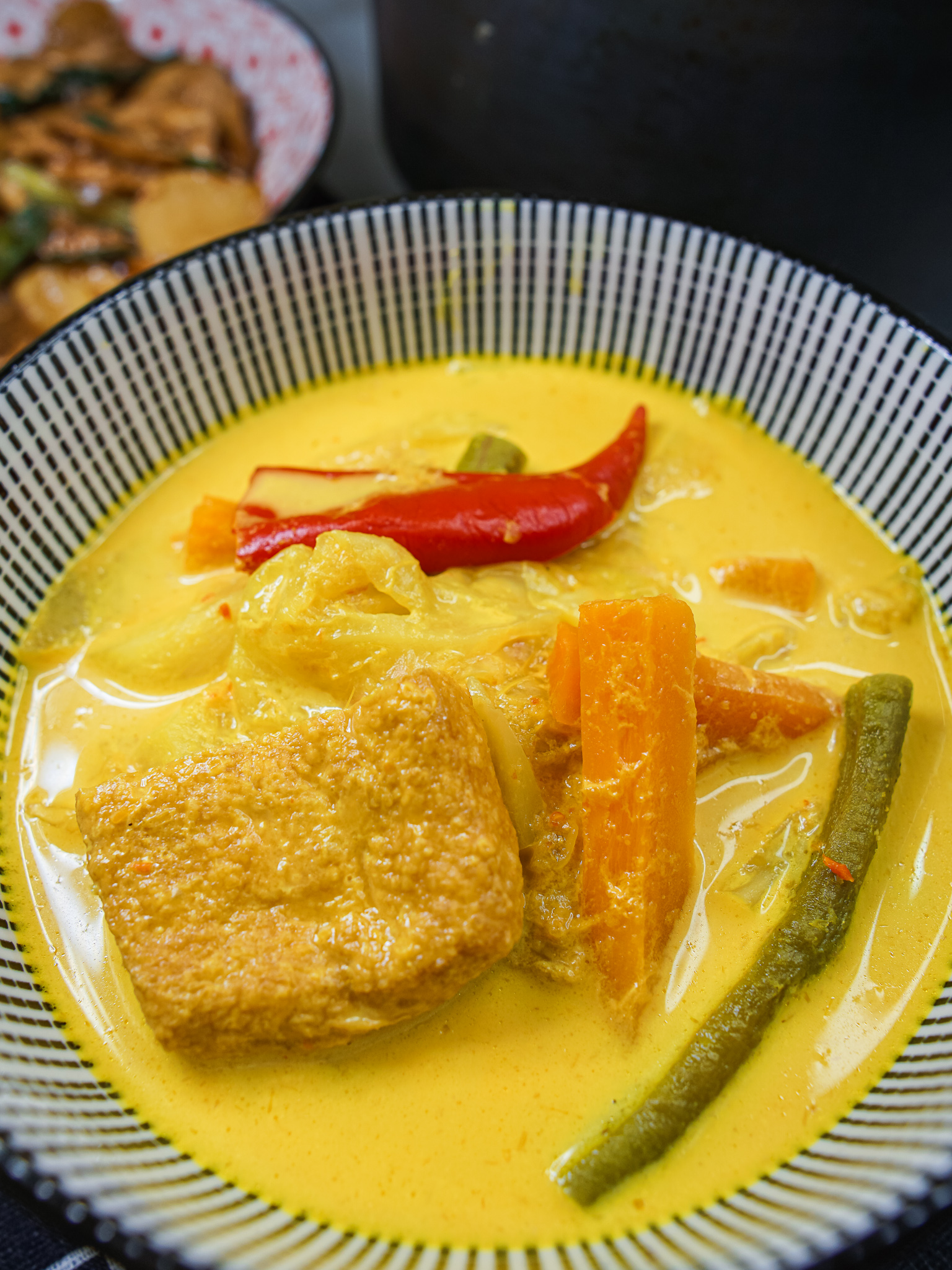
Sayur lodeh

Acar awak / acar nonya
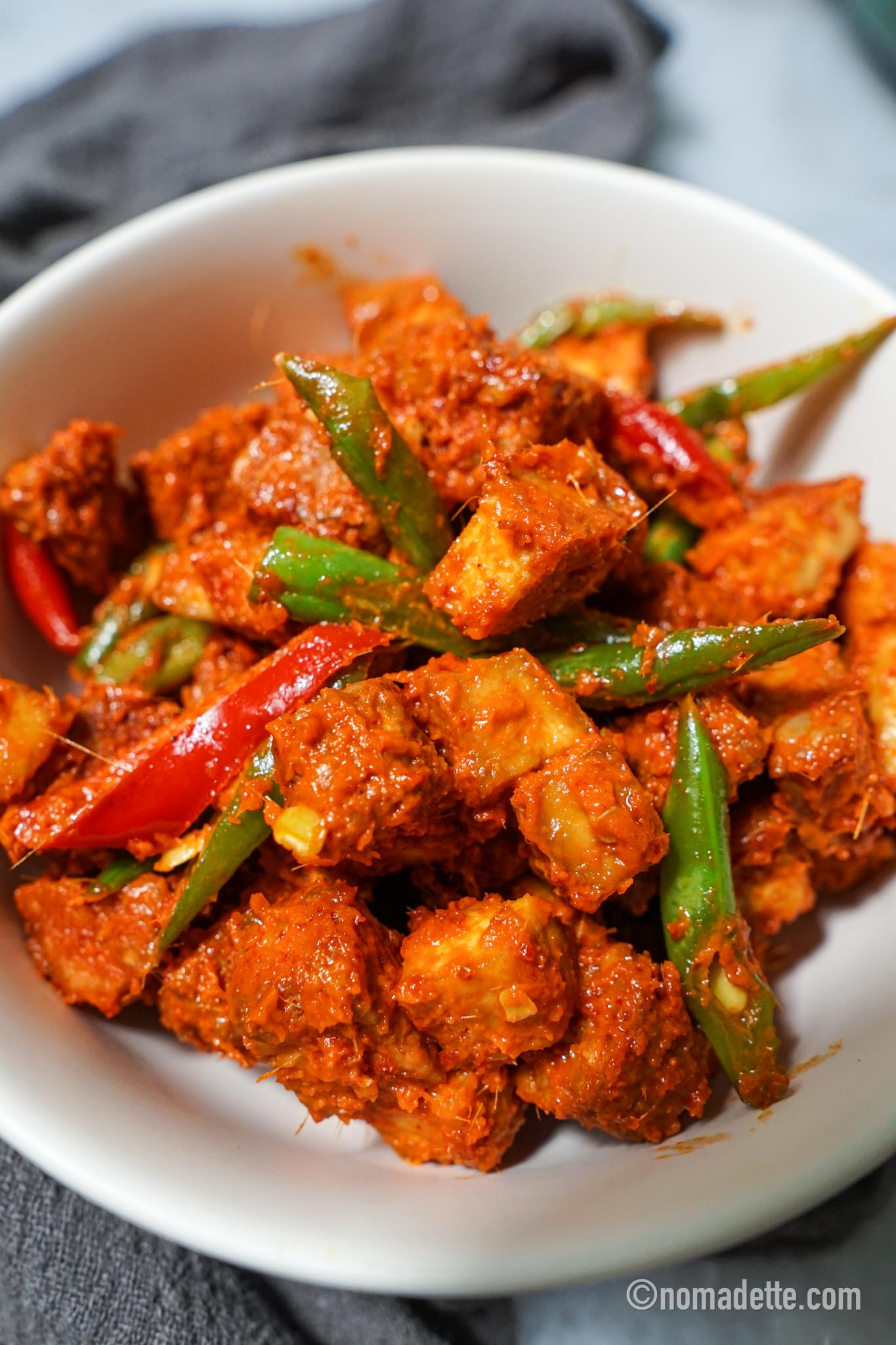
Sambal goreng

nasi hujan panas
Here’s my list:
- Sayur Lodeh– A coconut milk-based vegetable stew that’s mild, comforting, and perfect for balancing richer dishes like rendang. Drench it all over everything!
- Acar Awak / Pickled Vegetables – Crunchy, tangy, and refreshing, with a beautifully spiced depth from Malay spices. This is my favourite kind of pickle, sometimes also known as acar nyonya. Unlike simpler pickles, it’s coated in a sweet-sour spiced paste rather than just vinegar and sugar. It’s exactly what cuts through the richness of the meal and keeps your plate from feeling too heavy.
- Authentic Sambal Goreng | Spicy Tofu Tempe Stir Fry: This is my number 1 must-have, even more so than rendang even! My mom makes the best one. TIP: to make your sambal goreng last even longer, do not add any fibrous vegetables such as the long beans. Would it still be considered a veggie dish then…
- Air Fryer Sambal Goreng: I’ll be perfectly honest, the authentic version can be tedious to make (but absolutely worth it!). If you’re not making a big batch or want to dip your toes in the dish, I highly recommend my easy air fryer version. Same flavours, much less effort.
- Begedil (authentic recipe!) | Malay Potato Patties: A classic side that many families love, although not quite a go-to for most on Day 1 since it’s best fried fresh. I always struggle to place this — it always feels more carb-y (and sometimes meat-y) than vegetable. If you’re serving this, I’d gently recommend including at least one proper fibrous vegetable dish alongside it for balance.
Mini meal planning tip
4: Sambal & Condiments
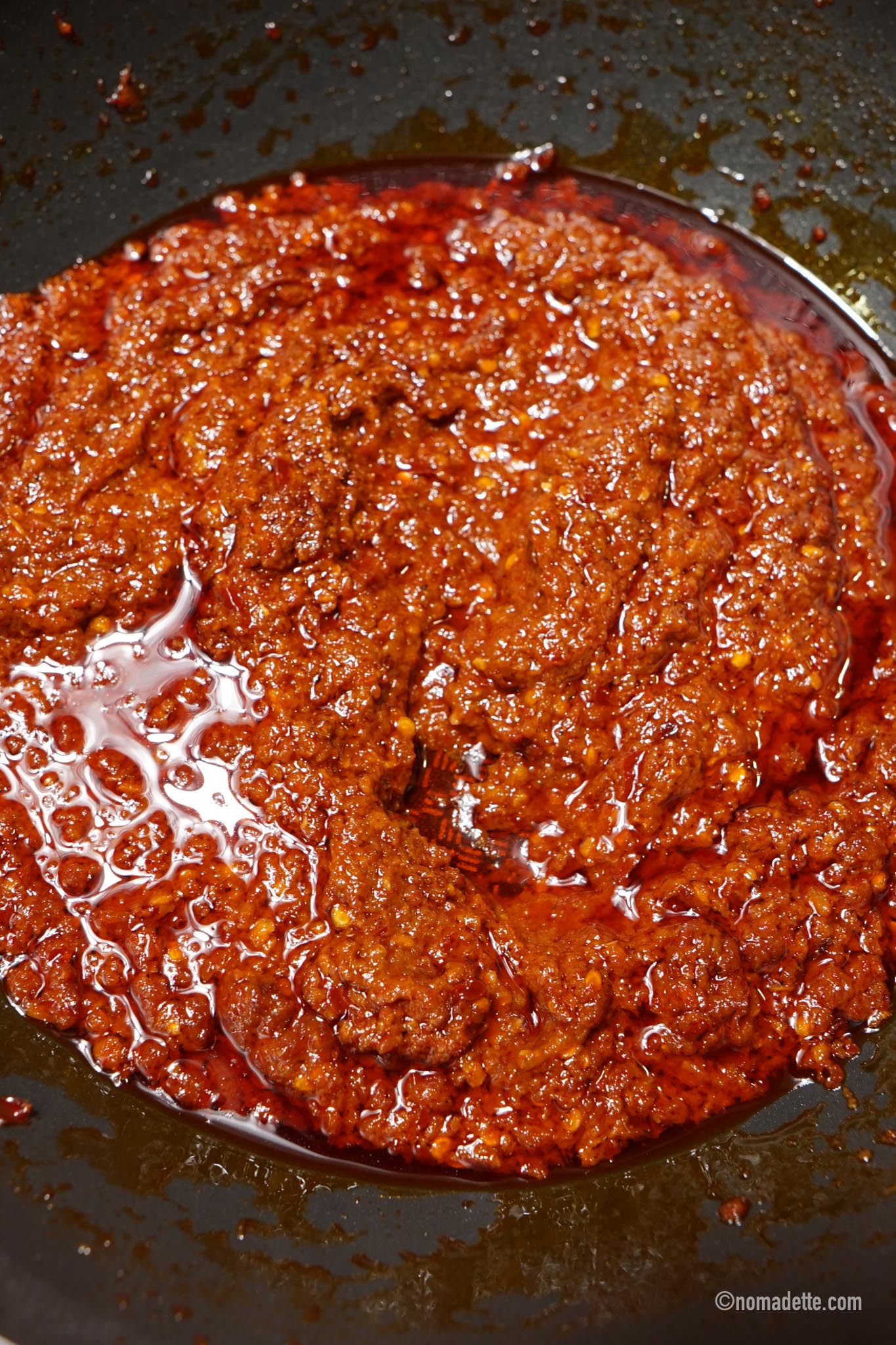
No Hari Raya table is complete without sambal and condiments! Don’t underestimate condiments — even if your spread is simple, having a good sambal and serunding can instantly elevate the entire meal.
These are the finishing touches that bring everything together: heat, texture, and extra layers of deliciousness to every plate.
A spoonful of sambal with rendang, a sprinkle of serunding over ketupat, or a generous dip of kuah kacang with your meats… these are the small details that make the meal feel truly festive.
Suggested Condiments:
- Sambal: A must-have! Whether it’s sambal tumis, or even sambal from your telur dishes (I recommend this!), this adds that essential customisable spicy kick to every plate. Here are my best sambal recipes:
- How to Make Sambal Tumis: Your Guide to Deeper, Better Flavour at Home
- Sambal: this is a sambal with an ikan bilis umami twist, that is perfect for a Raya table.
- Versatile, Basic Sambal: If this is your first time ever making sambal, I lock down the basics for you here.
- Sambal Telur | Sambal Eggs: Or better yet, add a condiment AND a protein to the menu with just one dish!
- Serunding: Spiced coconut flakes that are a staple during Ramadan. We have the luxury of purchasing delicious ones readily available, which is why I’ve not locked down on a good-enough recipe yet. Working on it though, stay tuned!
- Kuah Kacang (Peanut Sauce): Rich, nutty, and slightly sweet; it’s not just for satays, it pairs beautifully with ketupat and lontong too.
- Acar – While technically a vegetable dish, it also works as a condiment so I’m including it in this list.
Mini meal planning tip
What? No Desserts?
Not exactly! For a typical family Hari Raya spread, you don’t really need to prepare extra desserts. By Eid, most homes already have a coffee table full of cookies, kuih Raya, and cakes baked over Ramadan, so adding more sweets is often just overkill.
If you really want to make something special, I recommend keeping it simple and refreshing – a delicious beverage like teh tarik, bandung, or a festive fruit punch can be just as special without creating extra work.
💡 Tip: This guide focuses on family gatherings, not open houses with dozens of guests. For larger parties, you’ll want to expand your sweet spread. But for a cozy family celebration, your existing baked treats are perfect.
How to Build Your Hari Raya Menu (with a Sample Menu!)
We’ve gone through all the essential dishes and now it’s time to formulate your menu! Think of it like this: for the first two days of Hari Raya, your goal is a balanced, festive spread that hits all the traditional notes without overwhelming you as the host.
When building your menu, aim for:
Sample Menu
Here’s a sample menu based on the formula — it’s heavy on the classics with enough variety for everyone, and perfect for a big family gathering. Surprise, this is also the exact menu I use every Eid!
Proteins (choose 2–4):
- Beef Rendang
- Ayam Masak Merah
- Sambal Telur Puyuh (doubles up as a spicy condiment!)
Carb (choose 1):
- Nasi Minyak
- Ketupat or Lontong
Vegetables / Lighter Sides (choose 1–2):
- Sayur Lodeh
- Sambal Goreng
Condiments / Extras (choose 1–2):
- Serunding (spiced toasted coconut)
- Acar Awak (Spiced Pickled Vegetables)
The Make-Ahead Timeline
I absolutely do not recommend making everything on the day of Eid!
For my family, we usually hustle in the last two days to finish most dishes (except perhaps the rice, though this is more of a storage issue than for freshness). If time permits, we make sure we do our grocery shopping 3 days prior, or at least have most of the ingredients ready.
That way, on the big day, all we have to do is reheat and enjoy — zero stress, and more time to soak in the first day of Syawal with family.
A simple timeline like this keeps your Hari Raya cooking organized and stress-free:
3 Days Before Eid:
- Grocery Shopping
2 Days Before Eid:
- If you haven’t: Grocery Shopping
- Beef Rendang, Ayam Masak Merah, Sambal Goreng
- Condiments like sambal (or sambal telur)
1 Day Before Eid:
- Vegetable sides (such as Sayur Lodeh, Acar Awak)
- Rice Carb
For fried sides like begedil, you can make them in advance and stop at the frying step. Fry on the morning of Eid. Alternatively, cook the begedils now and reheat in the oven or air fryer just before serving to keep them crisp.
Eid Morning:
- Steam rice or ketupat/lontong
- Reheat all other dishes, plate condiments, and enjoy!
Following this schedule ensures your dishes are fresh, flavourful, and ready to serve, while leaving you plenty of time to celebrate with your loved ones instead of being stuck in the kitchen.
Storage & Reheating Tips
After Each Day of Prep
- Use airtight containers while storing prepped dishes in the fridge to make reheating a breeze. If they are not clear, label them for best efficiency.
- Or better yet! Use pots with heavy lids to store prepped dishes in the fridge. I love using Le Creuset cast iron pots for this time of year… cook, store, reheat, AND even serve from the same pot!
- Before storing in the fridge, let cool completely.
Vegetables & Lighter Sides
- Resting vegetable dishes for 1 day allows the flavors to meld beautifully.
- Avoid letting them sit in excess liquid (the layer of clear liquid you may sometimes see floating above the gravy) — skim or slightly drain before storing. This keeps their texture fresh and vibrant.
- Store in the fridge in airtight containers (or pots with tight fitting lids) until ready to reheat.
- Before storing in the fridge, let cool completely.
Fried Sides like Begedil
- Prep in advance and either:
- Fry on Eid morning for maximum crispiness
- Fry ahead and reheat in the oven or air fryer just before serving to restore crunch
Reheat Station
- Designate a small “reheat station” in your kitchen. For my family, we use the stovetop to reheat everything. That’s why we make all dishes ahead. The stove’s only job on the day is to reheat, keeping things smooth and stress-free.
- If stove space is limited, you can also use:
- Oven (my favourite hack with a cast iron pot for multiple dishes)
- Microwave
- Steamer
Rice / Ketupat / Lontong
- For the best texture and freshness, cook on Eid morning.
- You can prep a day in advance if needed, but any longer and the texture suffers.
- On the day, steaming will revive the rice or ketupat and lontong best, making it soft and fluffy.
- Microwaving is fine only as a last resort, since it can make the rice a bit dry or unevenly heated.
Final Words
Stress-Free Hari Raya, Made Simple
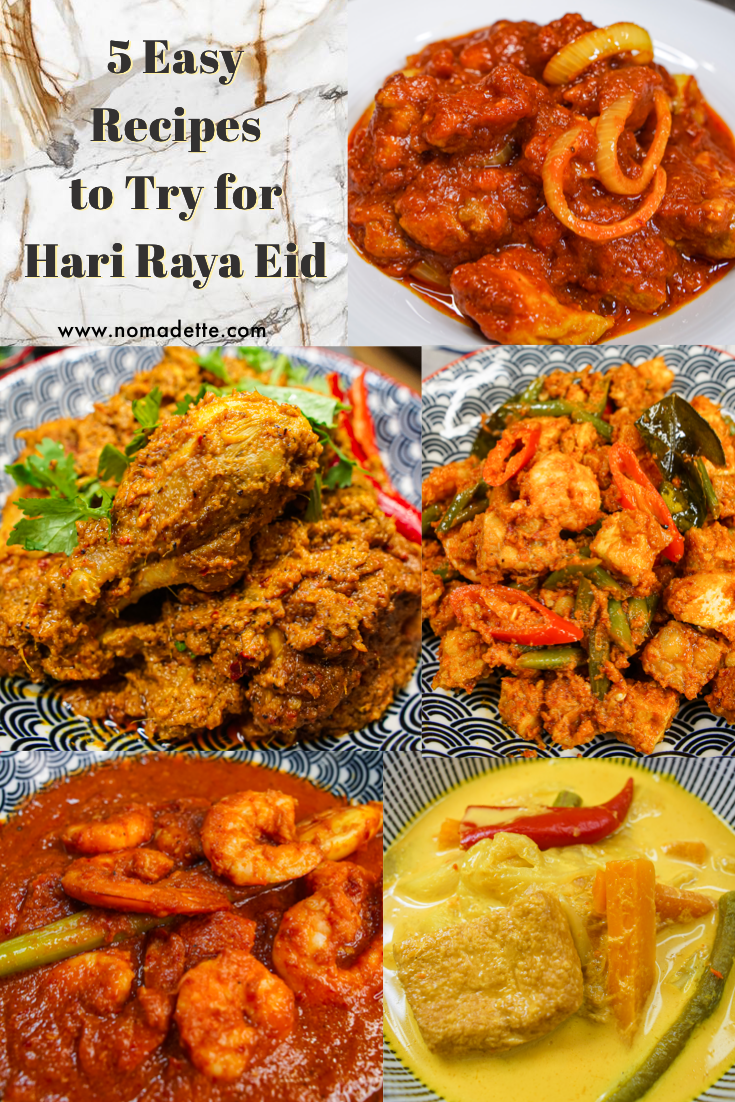
And there you have it! A complete guide to building your Hari Raya menu, from the classic protein dishes to the essential carbs, vegetable sides, and condiments.
By planning ahead, making the dishes 1–2 days before, and keeping your kitchen work as light as possible on on the morning of Eid, you can enjoy a stress-free first day of Syawal while still serving a festive, flavourful spread your family will love.
Remember, the key to a successful Hari Raya table isn’t how many dishes you make… but choosing the right classics, prepping wisely, and perhaps most importantly, enjoying the day with your loved ones.
And you know what, if that means skipping ALL the cooking and ordering dishes in advance, then I’m ALL for it!
Here’s to your most delicious, relaxed, and memorable Hari Raya yet!
Selamat Hari Raya!
Need more inspiration? Browse the Festive Index for even more ideas and recipes to fill your Hari Raya table, from everyday favourites to show-stopping classics.