

How to make versatile Sambal Tumis, a beloved spicy condiment in Malay cuisine in Singapore and Malaysia.
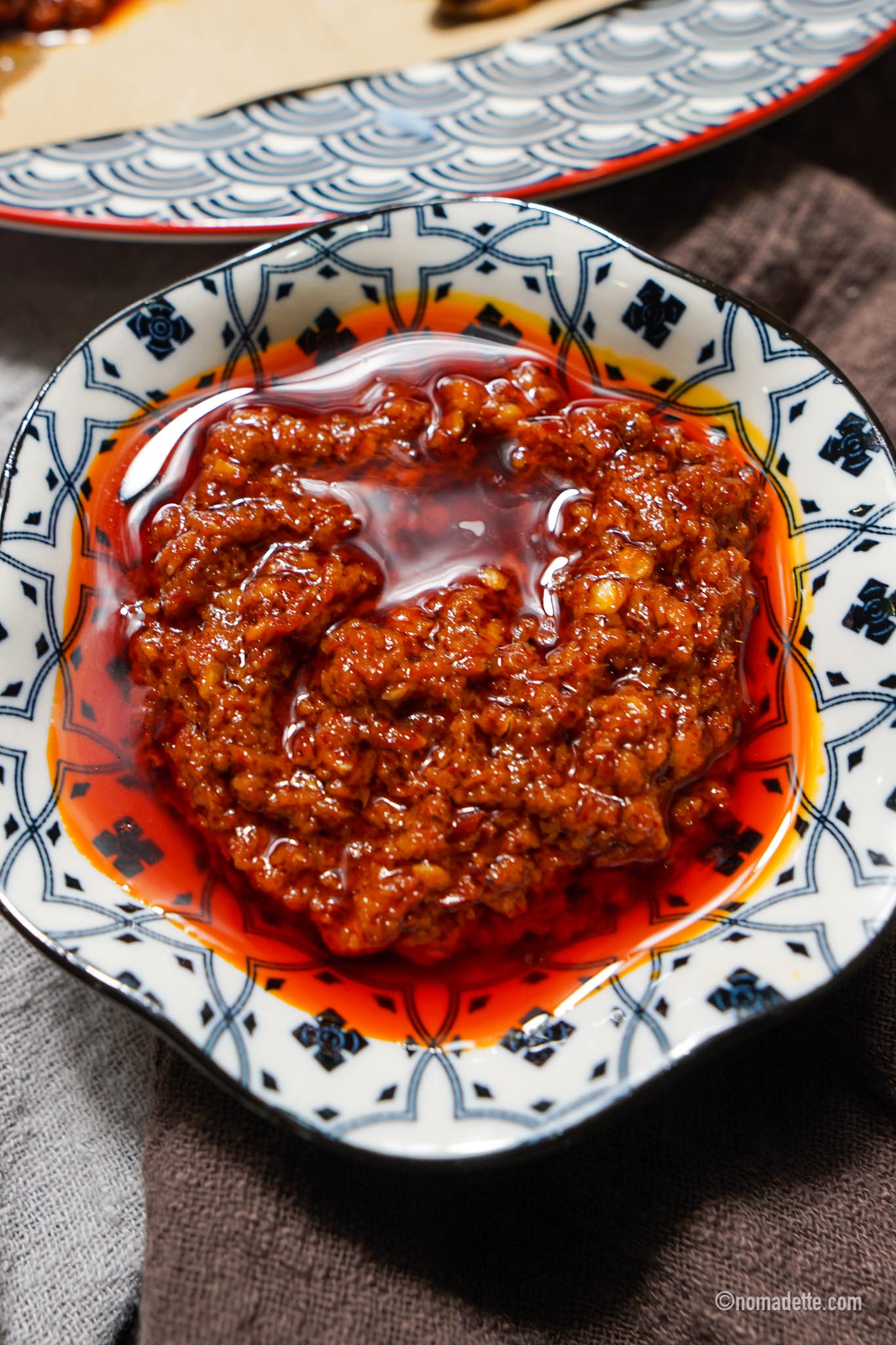
Sambal Tumis, or Stir Fried Chilli Paste, is basically the cooked version of Dried Chilli Paste. Sambal Tumis can refer to the condiment served as a sauce with dishes, or the actual spicy gravy of the dishes. For this recipe, we refer to the condiment.
If you’re Singaporean or Malaysian, Sambal is a beloved staple condiment in our pantries! Sambal Tumis is commonly referred to as simply “sambal”, so if you want to ask for some of that rich, spicy sauce at eateries, all you do is ask “may i have sambal please!” and you’ll get a nice dollop of it.
This recipe is adapted from my Nasi Lemak Sambal post. It’s basically the same, except I added dried anchovies for the Nasi Lemak. I recreated this Sambal Tumis for a more versatile condiment that goes great with all our Malay dishes!
How to make the base paste for Sambal Tumis

The main ingredient to make sambal tumis would be dried red chillies. If you have dried chilli paste ready to go, feel free to use it. Otherwise, prepping it cannot be simpler. Cut off any stalks from the dried chillies first and give a quick rinse to clean. Soak the dried chillies with boiling hot water for about 5 minutes, or until it rehydrates. Then drain, cut the dried chillies up, and add to a blender. Add some water for easier blending (or oil) and blitz to a paste. That’s the dried chilli paste!
For even detailed information on how to prepare the dried chillies, see this post.
Perfect Sambal Tumis: Oil Splitting Process or Pecah Minyak
The next important step to making Sambal Tumis is to properly cook this. This might be the more slightly intimidating part of making Sambal Tumis. This is what turns the dried chilli paste into the deeper, darker, sambal sauce that is ready to be consumed.
To a pan, add plenty of oil. The sambal will absorb the oil as it cooks. Have oil on the side to easily add on if needed.
What happens when you fry this first in the oil is that it deepens the flavour, giving the sambal that signature darker and almost roasted flavour. This process also helps to prolong the shelf life of the sambal. This part absolutely cannot be skipped.
For more information, refer to my post: How to properly cook Dried Chilli Paste.
Alternatives to Dried Chilli Paste
Sambal Oelek
Sambal Oelek is the Indonesian version of sambal. Oelek refers to “mashed” or “pounded”. The Indonesian version prefers the use of fresh red chillies, as opposed to dried chillies. The result is a more fresh tasting sambal sauce that is equally delicious, and equally spicy!
Since it uses fresh chillies, sambal oelek cannot be the true replacement of sambal. Dried chillies have a deeper, almost smoky flavour, which is something fresh chillies cannot replicate. However, in a pinch, you can use fresh chillies in place of dried chillies.
With fresh chillies, you do not need to go through the “oil splitting” process. Simply stir fry the sambal oelek until fragrant, and you can continue with the rest of the recipe. It is still important to properly cook it, to remove the taste of raw chillies. Ready-made versions of Sambal Oelek typically has vinegar added, so your dish will have a slight tang to it.
Harissa
Another alternative would be Harissa. This is a Middle Eastern dried chilli paste that is served as a condiment. Harissa has bunch of other spices added to it, so it is quite a distinct taste compared to the more basic dried chilli paste. Doesn’t mean it’s not good though! Try to search for harissa with minimal ingredients for best results.
HOW TO TOAST BELACHAN

This recipe uses belachan, or fermented dried shrimp paste. Belachan is staple in Southeast Asian cooking, and it adds that much sought-after hit of umami.
I toasted the belachan in this recipe. To toast this, you just need to place some chunks of belachan in a dry pan, and set over low to medium heat. Then leave it alone to toast. You will need to flip it halfway through for a more even toast.
Belachan is damp before toasting. You will know it’s nicely toasted when it is dry to the touch, turns a darker shade, and it will break or crumble easily. A fair warning: there will also be a strong pungent smell wafting through your kitchen! Part and parcel of belachan toasting.
Depending on the size of your belachan, the toasting might take a while.
This might be unpopular opinion… but toasting belachan is optional! I’ve made iterations of sambal with toasted and untoaste belachan… and plot twist: I could barely notice the difference.
How to Store Sambal
Sambal, when cooked properly, can keep very well. This is another reason why the “pecah minyak” process is important. This process cooks off the water in the sambal, hence making in inhabitable for bacteria. The amount of oil used also prolongs the shelf life of the sambal.
Keep the sambal in a glass container. I recommend storing it in the fridge so it lasts even longer. It can last for two weeks – although I’ve kept mine for much longer and it’s still good. Of course, if it starts to smell off, or there’s mould on it, discard immediately.
More Recipes Like This:
If you love this basic sambal tumis, you might love these other spicy condiments:
- The BEST Sambal for Nasi Lemak
- Singapore Hawker-Style Sambal Sauce
- Sambal Cili Kicap | Spicy Soy Sauce
- Pickled Green Chillies
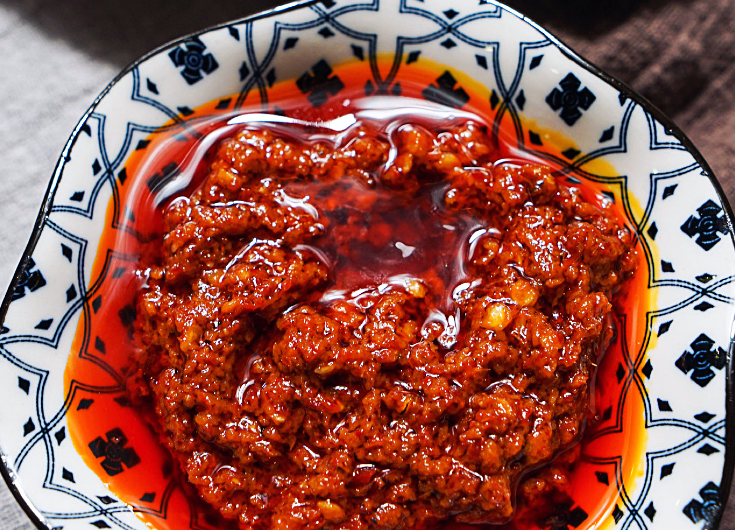
How to Make Sambal Tumis
4
servings15
minutes20
minutesKeep the screen of your device on
Ingredients
- Blended for Sambal Paste
- 50g dried chillies
50 g or 1 large red onion
30 g or 5 cloves garlic
30 g or 1 tbsp ginger
2 stalks lemongrass, inner core (see this post on how to prepare lemongrass)
20 g or 1 tbsp belachan, toasted (fermented dried shrimp paste)
1/4 cup oil to blend, with extra on the side
- Frying or Tumis Process
1 tbsp tamarind paste, diluted in 2-3 tbsps water to form a liquid
50 g coconut palm sugar
salt to taste, if needed
more oil, as required
Directions
- Prep the belacan (optional): If you like a deeper flavour, dry-toast the belacan in a pan for 1–2 minutes until fragrant. Set aside.
- Blend the paste: Add all your aromatics and the toasted belacan into a blender or food processor. If the mixture isn’t blending smoothly, drizzle in a little oil (1–2 tsp at a time). You can use water instead, but you’ll need to cook the sambal longer to cook it off.
- Cook the sambal base: Heat a little oil in a pan over low to medium heat. Once warm, pour in the blended paste.
- Slow-cook and stir: Keep stirring so it doesn’t catch or burn. Cook until the paste emulsifies—you’ll see the oil separate and rise to the top. If the sambal starts looking dry before that happens, add a bit more oil.
More oil = safer. Not enough oil = burnt chilli paste.
See: How to properly cook dried chilli paste. - Season: When the paste is cooked and glossy, stir in tamarind paste, sugar, and salt. Adjust to your taste.
- Taste & fix: Sambal tumis should be sweet, spicy, and slightly tangy. Add a pinch more sugar or salt, if needed.
Did you make this recipe?
Tag @nomadetteats on Instagram



Thanks. This blog certainly help me in my cooking improvement. So glad to have found your blog.
I made this tonight and served with nasi lemak, boiled eggs, tuna, tempeh, peanuts, and fried greens. It was delish! Thanks for the recipe and the detailed information about the preparation steps.
This guide is fantastic! I’ve always wanted to perfect my sambal tumis, and your tips on layering the flavors are super helpful. Can’t wait to try it out and spice up my dishes! Thank you for sharing!
Thank you for sharing your recipe, it’s delicious!