
How to make Char Kway Teow, a sinfully delicious Singaporean street food classic you can easily master at home!
Introduction
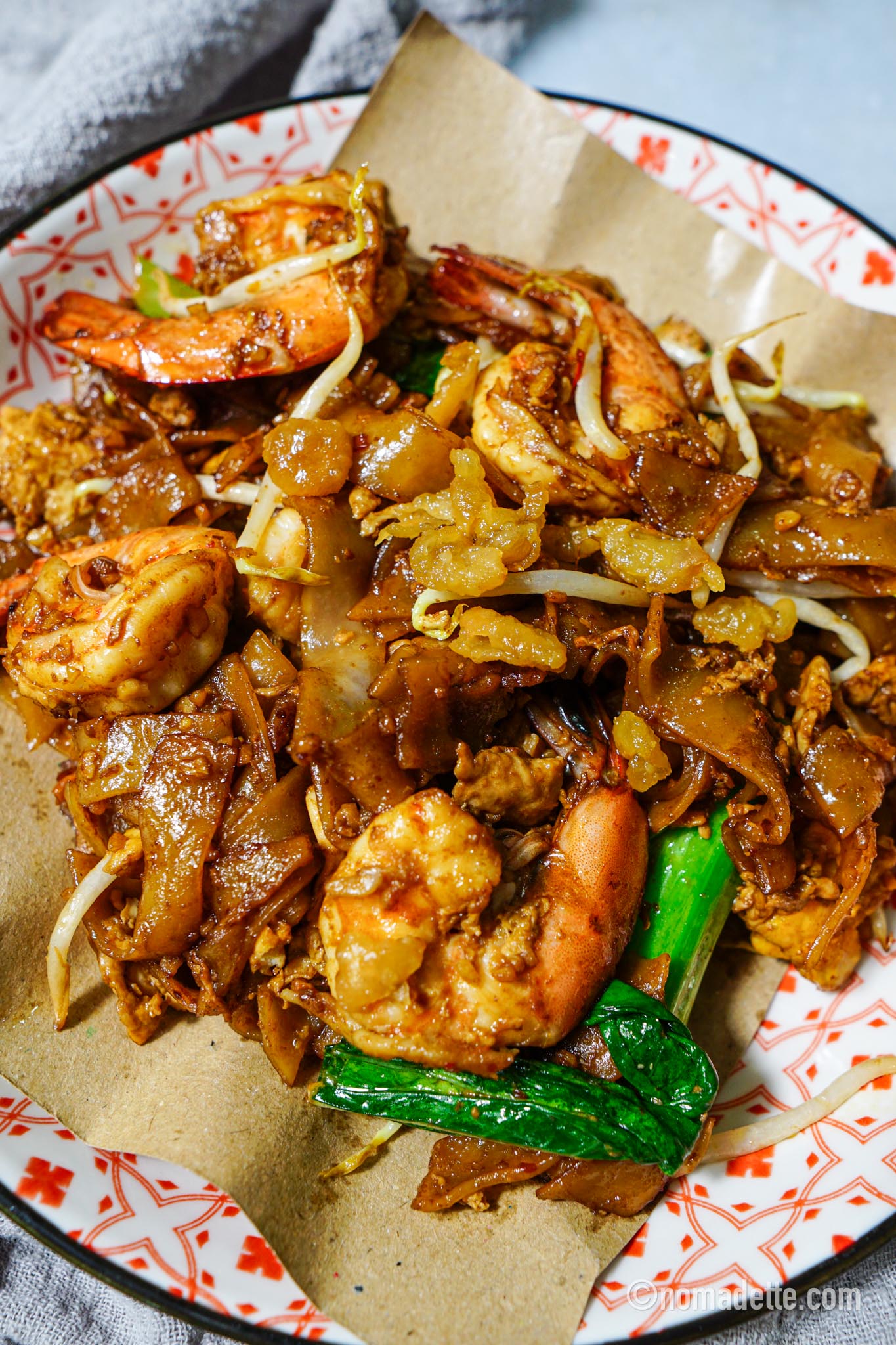
Char Kway Teow (or CKT) is a Singapore and Malaysian hawker classic. This is one of those dishes that’s deeply nostalgic for me: smoky, indulgent, and unapologetically rich… aka very sinful!
CKT is beloved for its greasiness and wok hei — that almost burnt, charred flavour that tastes absolutely magical. Think steak cooked over high heat, with those crispy, charred edges. That’s wok hei.
In my humblest opinion, you can’t truly recreate hawker-style Char Kway Teow at home. The “char” comes from blistering heat and a grumpy uncle’s wok that’s been seasoned for about 1,000 years, give or take (kidding… kind of). But you can make something very close at home.
When I first shared this recipe, I focused on getting it as close to the traditional hawker version as possible (minus the lard). Over time, though, my home cooking has evolved.
This is the version I actually cook now: lighter, more balanced, with extra protein and vegetables, but still full of flavour and unmistakably Char Kway Teow.
What Is Char Kway Teow (CKT)?
Char Kway Teow is a beloved Singaporean and Malaysian hawker noodle dish made with flat rice noodles stir-fried over high heat. It’s typically cooked with eggs, prawns, garlic chives, bean sprouts, and a savoury blend of dark and light soy sauces, often with sambal for heat.
The name “char” refers to the charred, smoky flavour known as wok hei, while “kway teow” are the flat rice noodles that soak up all that rich, savoury sauce. Traditionally indulgent and cooked fast over roaring flames, Char Kway Teow is all about bold flavours and that unmistakable smoky finish.
Why You’ll Love This Recipe
The Two Ways I Make Char Kway Teow
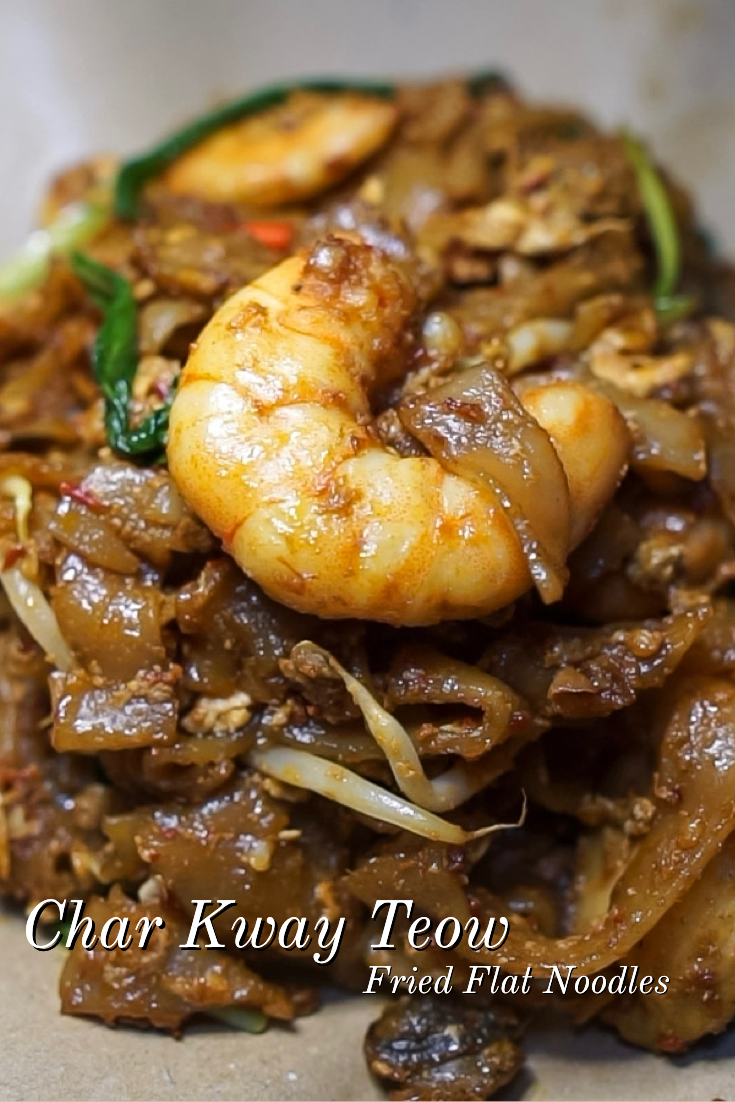
Char Kway Teow naturally sits on a spectrum. On one end, there’s the indulgent, hawker-style version: rich, greasy, full of wok hei! On the other, there’s the version I cook most often at home: lighter, more balanced, and easier for weeknights.
Both versions use the same base flavours and cooking method. The difference comes down to the proteins, veggies and how indulgent you want to go.
Hawker-Style (Indulgent, Traditional-Inspired)
This is closer to what you’d expect from a hawker stall — bold, rich, and unapologetic. It’s perfect when you’re craving that full Char Kway Teow experience.
- Prawns, fish cake, and optional blood cockles
- Can be cooked with rendered lard (or rendered chicken skin in this recipe!)
- Best for weekends or when you want to lean into the indulgence
Home-Style (Weekday-Friendly)
This is the version I cook most often now! Lighter, more balanced, but still unmistakably Char Kway Teow.
- Chicken, prawns, and eggs for protein
- No chicken skin or lard
- Same noodles, sauces, aromatics, and cooking method
Which version should you make?
Follow the recipe below and include the optional cockles and rendered fat for a more indulgent, hawker-style plate.
For a weeknight-friendly version, use the chicken or beef, prawns, and eggs combo, load up on veggies and skip the extra fat — it’s the one I make most often!
Want more easy weeknight dinners like this?
The weekday-friendly version of this Char Kway Teow is also featured in my cookbook, Effortless Asian Cooking: 30-Minute Meals, where I share practical, flavour-packed Asian recipes designed for busy days and real life.
If you love quick, no-fuss meals that don’t compromise on flavour, you’ll feel right at home there.
Key Ingredients
1. Kway Teow Noodles
Char Kway Teow is built on flat rice noodles, also known as kway teow. These wide, slippery noodles are the heart of the dish. They soak up the savoury sauce beautifully while keeping a soft, slightly chewy texture that’s so satisfying!
Another variation you might come across is hor fun, which is even wider. You can use that as well.
Fresh rice noodles are preferred, but dried rice noodles work just fine if that’s what you have. Prepare them according to packet instructions.
Can I use other noodles?
Yes! While it won’t be traditional, the flavours still work. I’ve even used pasta in a pinch with surprisingly good results.
2. Seasoning Blend
The flavour of Char Kway Teow comes from the seasoning blend, which fortunately are staples in Asian kitchens:
- Dark Soy Sauce: Dark soy sauce gives Char Kway Teow its signature deep colour and adds a subtle sweetness that coats the noodles beautifully.
- Kicap Manis: Kicap manis is a thick, Indonesian sweet soy sauce. It’s sweeter and less salty than dark soy sauce, with a syrupy consistency that clings well to noodles. I sometimes use it in place of — or alongside — dark soy sauce for a slightly sweeter, glossier finish.
- Light Soy Sauce: Light soy sauce provides saltiness and savoury umami, balancing out the sweetness of the darker sauces. Sometimes I use fish sauce in place of light soy sauce as well.
- Chili Paste (Sambal): Whenever you order this from a hawker stall in Singapore and Malaysia, you will always be asked “spicy?” Obviously, the answer is always a yes for me! The Uncle will then spoon a dollop of sambal straight into the wok with all of the soy sauces. Use any Sambal of choice to add the much-welcomed heat and richness to the dish. Make a big batch of my Sambal recipe! Alternatively, use chilli oil!
3. Proteins & Vegetables
Traditionally, Char Kway Teow uses a mix of seafood and eggs, but this is one area where the dish is very forgiving and easy to adapt.
- Prawns
- Blood cockles
- Fish cakes or fish balls
- Chinese sausage (lap cheong – optional; I usually omit this, but chicken lap cheong works if available)
- Eggs: Eggs are a must for me. Soft, luscious egg stirred through the noodles adds richness and ties everything together.
You can also easily customise the proteins:
- Chicken
- Beef slices
- Tofu
I personally love using boneless chicken thighs — the higher fat content keeps the meat juicy and flavourful in a hot wok.
Char Kway Teow is very flexible when it comes to proteins. Use what you enjoy or what you already have on hand.
Overall, the proteins are highly customisable. Sliced chicken, tofu cubes, or a mix of chicken, prawns, and eggs all work beautifully — especially for a more home-friendly version.
My Home-Style Version
For a practical weeknight version, I skip chicken skin, and use a mix of shrimp, chicken, and eggs for protein. I would also add in more veggies, such as bok choy or chye sim. Everything else — noodles, sambal (or chilli oil!), soy sauces, aromatics — stays the same.
It’s lighter, easier to cook, still full of flavour, and hits all the Char Kway Teow notes without the fuss.
4. Vegetables and Aromatics
- Garlic
Garlic is the main (and honestly, the only essential) aromatic in Char Kway Teow. Minced garlic is added to the oil to infuse it with flavour. I always go a little heavier here because I love garlic. If I have sliced onions on hand, I’ll throw them in too — totally optional, but a nice bonus.
- Garlic Chives
Garlic chives add a mild onion-garlicky flavour and a pop of green to the dish. I usually cut them into about 2-inch (5 cm) lengths. If you can’t find chives, spring onions or green onions work just as well.
- Bean Sprouts
Bean sprouts are a classic addition, bringing freshness and crunch that balances the richness of the noodles. If you’re cooking at home, feel free to swap or add other vegetables like chye sim or bok choy for extra nutrition.
FAQs

1. How do I avoid broken noodles when frying Char Kway Teow?
Fresh rice noodles are delicate and can break easily while stir-frying. Be gentle when tossing them, but make sure to stir enough so the sauces coat every strand.
Honestly? A few broken noodles are totally fine — it’s almost inevitable in good Char Kway Teow. Even at hawker stalls, you rarely see perfectly long, slurpy strands!
2. How do I prepare blood cockles?
Blood cockles (hum) used to be an essential ingredient in Char Kway Teow, but these days they’re less common at hawker stalls.
I love their soft, bouncy bites, but at home I usually skip them, prep takes longer than the noodles themselves!
If you want to include them:
- Rinse the cockles under water, scrubbing off as much mud as possible.
- Submerge them in a bowl of water with 5 tbsp salt per litre of water. Stir and leave for 10 minutes to draw out the mud.
- Drain and rinse again. Some cockles may open — they’re now clean.
- To cook, pour boiling water over the cockles for ~1 minute, then drain.
- Deshell and set the meat aside; discard shells.
Tip: Alternatively, boil a pot of water and quickly dip the cockles for your preferred doneness.
3. Where’s the lard? Can I use chicken skin instead?
Traditional Char Kway Teow uses pork lard for richness, but you can achieve similar flavour with chicken skin or fat — perfect for a pork-free, Halal version.
How to render chicken skin/fat:
- Add chicken skin or fat to a dry pan on very low heat.
- Let the fat slowly melt into oil while the skin crisps up.
- Remove the crispy skin (or leave it in for extra indulgence).
- Use the rendered fat to stir-fry the noodles.
The crispy chicken skin adds a slightly chewy, savoury bite without needing deep frying.
No lard or chicken skin?
- No problem! The recipe still works beautifully without either — flavour is still rich and satisfying.
Watch How to Make CKT
This recipe video shows an older version of how I used to make Char Kway Teow. My current, go-to version is a little lighter and more weeknight-friendly, which is reflected in the recipe card.
Feel free to use this video as a visual reference for technique — the flavours and method are pretty much the same.
More Recipes Like This
If you love this quick noodle stir fry, check these out too!
Char Kway Teow | Singapore Fried Rice Noodles
2
servings10
minutes10
minutesHow to make Char Kway Teow, a sinfully delicious Singaporean street food classic you can easily master at home!
Keep the screen of your device on
Ingredients
- Noodles & Aromatics
300 g kway teow or rice noodles
2 cloves garlic, minced
2 eggs
- Oil/Fat
2 tbsp chicken skin or
1 -2 tbsp neutral cooking oil (vegetable, canola, or peanut)
- Proteins (see Note 1)
4 –5 prawns, deveined and deshelled
1 fish cake, sliced
5 –7 blood cockles, prepped and deshelled (~2 tbsp) – optional (see note 2)
- Vegetables
1/2 cup bean sprouts (taugeh)
2 –3 stalks garlic chives (koo chye), cut into 2-inch / 5 cm pieces
1 cup leafy greens such chye sim, bok choy (optional, loosely packed)
- Sauces & Seasoning
1 tbsp dark soy sauce
1 tbsp kicap manis or dark sweet soy sauce (see note 3)
1 tbsp light soy sauce
1 tbsp sambal or chili oil (optional, adjust according to spice tolerance)
1/4 tsp white pepper, to taste
Directions
- Prepare the noodles
- If using fresh rice noodles, gently separate strands to prevent clumping. Fresh noodles are often pre-coated with oil to prevent sticking. Rinsing lightly under cold water is optional if desired.
If using dry noodles, cook according to packet instructions and drain. - Fat Rendering for Hawker-Style Version (optional)
- Fat Rendering: Render chicken skin or lard in a dry pan (no oil needed) on low heat until crispy. This can take a while, about 10-15 minutes. Remove the skin once crisp, and keep the oil for stir-frying.
- Cook proteins and aromatics
- Add oil to the pan and place over medium heat (if you skipped fat rendering step).
- If using longer-cooking proteins like chicken, add to pan and cook them first. Then add eggs and scramble until just set.
- Add garlic, fish cake, prawns, and cockles (if using). Stir-fry until prawns turn pink and proteins are cooked through.
- Add noodles and sauces
- Toss in kway teow or noodles of choice. Pour over dark soy sauce, kicap manis, and light soy sauce. Mix gently to coat noodles evenly.
- Add sambal (or chilli oil), if using, and stir with the noodles as well.
- Add vegetables
- Toss in bean sprouts, chives, and any leafy or additional vegetables. Stir-fry 1–2 minutes until just tender.
- Finish and serve
- Season with white pepper to taste. Optional: sprinkle crispy chicken skin or lard on top for extra indulgence. Serve immediately and enjoy!
Notes
- Note 1: These are the usual proteins used in hawker-style char kway teow, feel free to replace with proteins like boneless chicken, beef slices, or tofu.
- Note 2: Make sure to prep cockles well. Cockles should be very fresh and thoroughly cleaned/boiled before added to the stir fry. See instructions in blog post for instructions on this.
- Note 3: Replace with equal amount of dark soy sauce if you don’t have this
Did you make this recipe?
Tag @nomadetteats on Instagram