
How to make Ayam Paprik, the ultimate quick and easy chicken stir fry. An aromatic, savoury, sweet, spicy dish that will keep you coming back for more!

Ayam Paprik (padprik) is one of my most favourite dishes ever! It’s spicy, savoury, slightly sweet, and packed with crunchy vegetables, all coated in a glossy, flavourful sauce that’s practically made for spooning over rice.
This was actually one of the first recipes I ever posted on YouTube. It’s one of those dishes I keep coming back to because it’s so easy to make, but it delivers so much flavour with very little effort.
This is my take on the Malaysian Thai-style Ayam Paprik — the version you’ll commonly find at Thai restaurants in Malaysia. It’s a quick chicken stir-fry made with fragrant lemongrass and makrut lime leaves, crunchy vegetables, and a sweet, savoury and spicy sauce.
Everything comes together in one pan, making this a perfect weeknight dinner when you want something fast but don’t want to compromise on flavour.
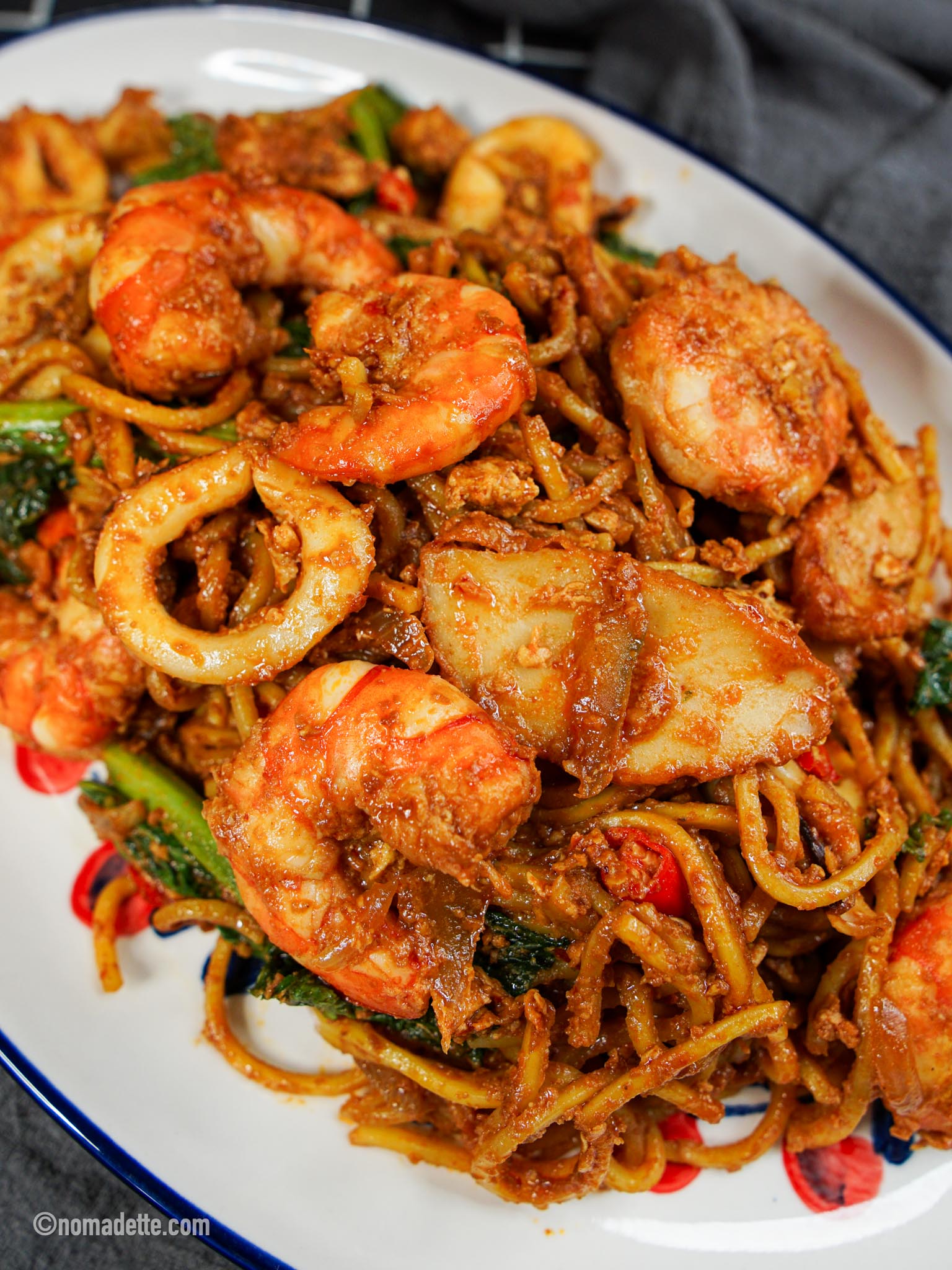
💡 Make it your own! You can easily swap the chicken for your protein of choice. Beef works beautifully, but my personal favourite is seafood — the sauce goes unbelievably well with prawns, squid, or a mix of seafood! In fact, my Seafood Paprik is one of the recipes featured in my cookbook, Effortless Asian Cooking: 30-Minute Recipes. Find out more about the cookbook here.
Why You’ll Love This Ayam Paprik Recipe
What is Ayam Paprik?
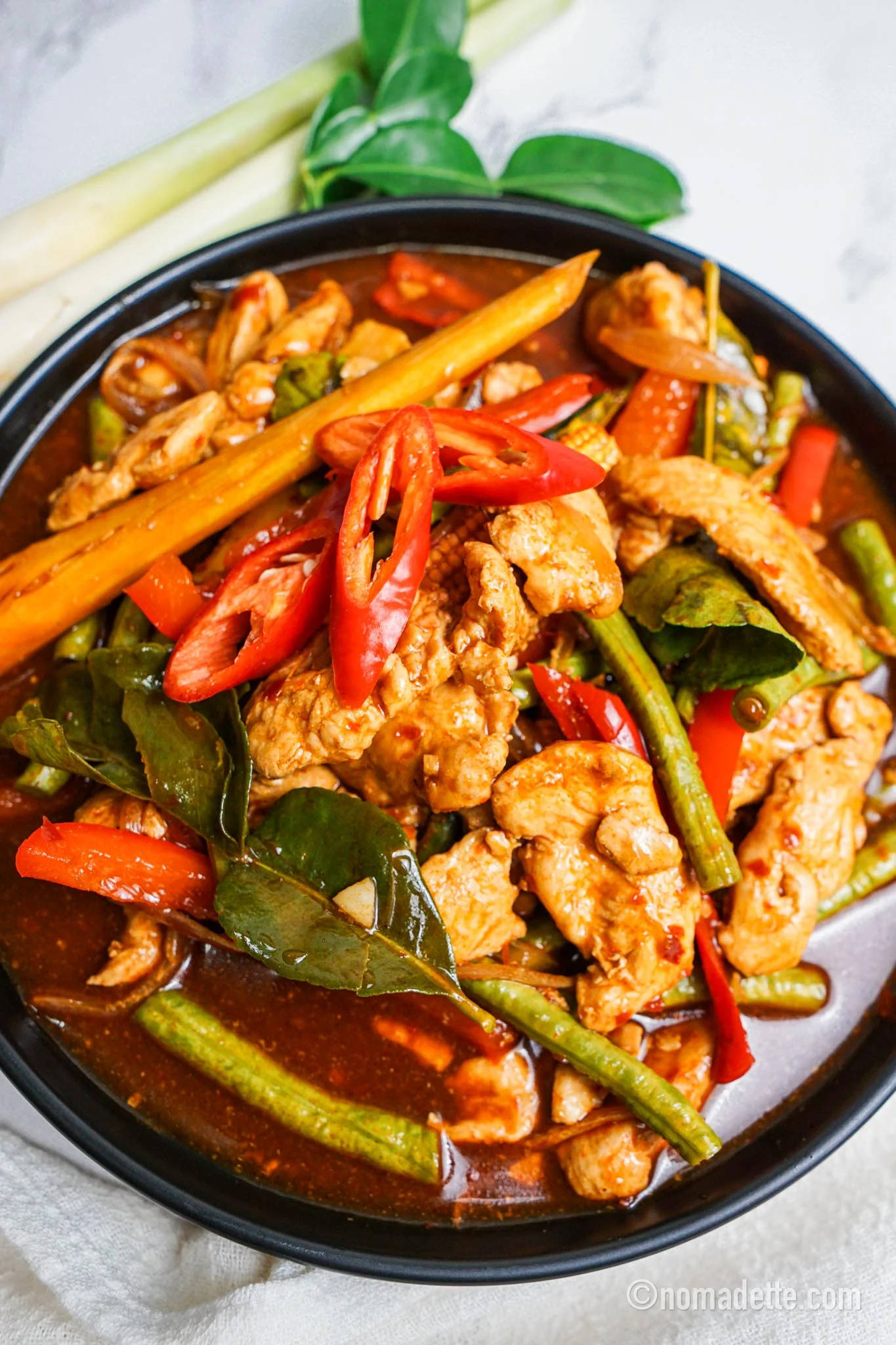
Ayam Paprik, also written as Ayam Pad Prik or Ayam Padprik, is a Malaysian Thai-style chicken stir-fry made with chicken, vegetables and a sweet, savoury and spicy sauce.
You’ll often find Ayam Paprik on the menu at eateries and restaurants in Malaysia and Singapore, but this isn’t quite the same dish you’ll find in Thailand. It’s a dish that belongs to the Malaysian Thai food scene, with its own style of preparation and flavour profile.
The dish is built around a few key elements: fragrant aromatics like lemongrass and makrut lime leaves, crunchy vegetables, and a glossy sauce made with savoury oyster sauce, sweet kicap manis, tangy ketchup and chilli sauce – often Thai sweet chilli sauce. Chicken is a common protein used, though it can easily be replaced with seafood and beef.
If you’ve come across Pad Prik Gaeng when searching for Ayam Paprik, you might be wondering if they’re the same dish. They’re not quite — although there are similarities between the two. I’ll get into the differences between Ayam Paprik and Pad Prik Gaeng below.
Ayam Paprik vs. Pad Prik Gaeng
If you’ve come across Pad Prik Gaeng when searching for Ayam Paprik, you might be wondering if they’re the same dish. Not quite! While the two dishes share some similarities, the biggest difference is in the sauce.
Pad Prik Gaeng is the original Thai dish, and Ayam Paprik is the Thai-Malaysian interpretation that developed from it.
Ayam Paprik
- Malaysian Thai-style dish
- Sauce: Dried chilli paste or sambal as a base, combined with oyster sauce, kicap manis, tomato ketchup and Thai sweet chilli sauce
- Flavour: Sweet, savoury, spicy and slightly tangy
- Texture: Glossy and saucy
- Vegetables: Often loaded with colourful, crunchy vegetables
Pad Prik Gaeng
- Thai stir-fry made with meat and vegetables
- Sauce: Thai red curry paste (prik gaeng) is the main flavour base
- Flavour: Spicy, savoury and deeply aromatic
- Texture: More of a concentrated curry paste coating rather than a glossy sauce
- Vegetables: Varies depending on the recipe, but often long beans and tomatoes
The two dishes may share aromatics like lemongrass and makrut lime leaves, but they’re two distinct dishes with different flavour profiles and sauce bases. This recipe is for the Malaysian Thai-style Ayam Paprik you’ll find at eateries and restaurants across Malaysia, as well as Malay zichar food places in Singapore.
My Weeknight Shortcut
Traditionally, Ayam Paprik can use a dried chilli paste as part of its base. My recipe, however, takes a shortcut: I skip the dried chilli paste and use ready-made sambal instead. It adds plenty of depth and saves a little time, which is exactly what I want on a busy weeknight.
When I first developed this recipe, I used dried chilli paste. Then one of my subscribers based in Europe (hello!) told me she couldn’t stop making this Paprik… except she but she left out the sambal and dried chilli paste since they weren’t easily accessible where she lived.
And you know what? Since then, I’ve started skipping it at home too! It’s still absolutely delicious, incredibly addictive, and perfect with a big bowl of steamed rice.
So don’t worry if you don’t have sambal or dried chilli paste! You can absolutely make this recipe without either. If you do want to use dried chilli paste, I’ve included the directions in the Key Steps section below.
Key Ingredients
Chicken
- I use 300g (10.5 oz) boneless chicken breast or thigh for this recipe. Both work well, so use whichever you prefer! I usually reach for chicken thigh when I want extra juicy and tender pieces, but chicken breast keeps this dish lean and light.
- Cut the chicken into thin slices or small, bite-sized pieces so it cooks quickly and evenly in the wok.
Tip
No marinade is required for this recipe, but if you want to marinade the chicken, give it 1/2 a teaspoon of turmeric powder and salt.
Easy Protein Swaps
Ayam Paprik is incredibly easy to adapt with different proteins.
You can easily swap chicken for other proteins such as:
- Seafood: shrimp, squid, crabsticks and sliced fish work well here.
- Sliced beef
The method and order of cooking is the same as chicken, you just need to adjust the cooking time based on what you’re using.
You can swap the chicken for beef, pork, tofu, or seafood—just adjust the cooking time depending on what you’re using.
Vegetables
One of the things I love about Ayam Paprik is that it’s a protein-and-vegetable meal all in one pan.
My version uses:
- red bell pepper
- baby corn
- and long beans for a colourful mix of textures and crunch.
The vegetables can be easily adapted depending on what you have in your fridge. Just keep in mind that the key is to choose vegetables that can handle a quick stir-fry while still keeping some bite.
Aromatics
Lemongrass and makrut lime leaves are essential to the flavour of Ayam Paprik. The lemongrass adds a bright, citrusy fragrance, while the makrut lime leaves bring an unmistakable floral, zesty aroma.
Don’t skip these if you can help it! They might seem like small additions, but they make a huge difference to the final dish.
The Sauce
The sauce is what brings everything together. It’s a simple combination of:
- Oyster sauce – adds savoury umami and saltiness.
- Kicap manis (dark sweet soy sauce) – brings sweetness, depth and colour.
- Tomato ketchup – adds a little tang and balances the savoury flavours.
- Chilli sauce – brings sweetness and heat. I use a Thai-style sweet chilli sauce, adjust the amount depending on how spicy you like your Paprik. Regular chilli sauces will work too. Tangy chili sauces such as sriracha, hot sauces, or tabasco will not quite work to achieve the flavours we’re after.
Together, these ingredients create that signature sweet, savoury, spicy and slightly tangy sauce that makes Ayam Paprik so irresistible with rice.
Sambal or Dried Chilli Paste (Optional)
Traditionally, Ayam Paprik can be made with a dried chilli paste as part of its flavour base.
In my everyday version, I use ready-made sambal as a shortcut when I have it on hand. It adds extra depth and a richer chilli flavour.
But honestly? You don’t need either to make a delicious Paprik. I now usually skip both when making this at home, and the dish is still incredibly flavourful.
If you want to use dried chilli paste, I’ve included instructions for adding it in the Key Steps section below.
Key Steps for Making Ayam Paprik
1. Start with the Aromatics

- Begin by stir-frying the onion, garlic and bruised lemongrass in oil until fragrant. This creates the aromatic base for the entire dish.
Dried Chilli Paste
If you’re using dried chilli paste (cili kering / cili boh), add it at this stage (about 1 to 2 tbsp for this recipe).
Stir-fry the with the aromatics for about 2 to 3 minutes until fragrant and the oil takes on a deep red colour, adding more oil as needed to prevent a dry, burnt sambal.
Cooking the chilli paste first helps release its flavour and removes any raw taste… aka turns it into sambal!
2. Don’t Overcook the Chicken

- Add your sliced chicken (or protein of choice) straight into the pan and stir-fry until lightly browned and nearly cooked through, about 3–4 minutes depending on the size of your pieces.
- There’s no need to cook the chicken completely at this stage, it will continue cooking when you add the vegetables and sauce. We’re just looking for a sear on the chicken surface. This keeps the chicken tender and juicy, especially if you’re using chicken breast.
3. Keep the Vegetables Crisp

- Add the vegetables once the chicken is nearly cooked and stir-fry briefly. You want the vegetables to be just tender but still slightly crisp.
- The vegetables will continue cooking as the sauce simmers, so don’t worry if they seem a little underdone at this stage. That little bit of crunch is part of what makes Ayam Paprik so good!
4. Let the Sauce Coat Everything

- Once the vegetables are ready, pour in the sauce and add the torn makrut lime leaves. Toss everything together and let it simmer for a few minutes.
- The goal isn’t to reduce the sauce into a thick gravy. You want just enough sauce to glossily coat the chicken and vegetables, with a little extra left to spoon over your rice.
5. Serve It Hot with Rice

- Ayam Paprik is best served immediately while the sauce is glossy and the vegetables still have some bite.
- Spoon it generously over hot steamed rice and make sure you get plenty of that sauce!
How to Serve Ayam Paprik
Ayam Paprik is a complete meal all on its own when served with a bowl of steamed rice.
You’ve got your protein, colourful vegetables and a flavour-packed sauce all in one pan, so there’s really no need to make a bunch of separate dishes.
That said, if I have a little bit more energy, I love serving Ayam Paprik with a simple omelette too. There’s something about fluffy eggs alongside the spicy, savoury sauce that just works so well. Serve it family-style: my favourite comforting combination is Ayam Paprik, steamed rice and a Thai-style onion omelette!
How to Store and Reheat Ayam Paprik
- To store: Allow the Ayam Paprik to cool, then transfer it to an airtight container and refrigerate for up to 3–4 days.
- To reheat: Reheat gently in a frying pan over medium heat or in the microwave until heated through. If the sauce has thickened in the fridge, add a small splash of water before reheating to loosen it back up.
The vegetables will naturally soften a little after refrigeration, so for the best texture, Ayam Paprik is best enjoyed fresh. But leftovers are still delicious!
Ayam Paprik
2
servings10
minutes15
minutesAyam Paprik is a spicy, savoury Malaysian-style Thai stir-fry made with tender chicken, crunchy vegetables, and a fragrant, slightly sweet and spicy sauce. It’s a popular dish at Malaysian Thai restaurants and is especially delicious served with plenty of steamed rice to soak up the sauce.
Keep the screen of your device on
Ingredients
- Chicken & Vegetables
300 g (10.5 oz) boneless chicken breast or thigh, cut into thin slices or bite-sized pieces
1 small onion, thinly sliced
2 cloves garlic, minced
1 stalk lemongrass, bruised
4 –5 makrut lime leaves, torn
1/2 red bell pepper, sliced
4 baby corn, cut into bite-sized pieces
2 long beans, cut into 5cm (2-inch) pieces
2 tablespoons oil, for cooking
- Sauce
1 tablespoon oyster sauce
1 tablespoon kicap manis (dark sweet soy sauce)
1 tablespoon tomato ketchup
1 tablespoon chilli sauce, plus more to taste
1/4 cup (60ml) water or chicken broth
1 tablespoon sambal (optional)
Directions
- Make the sauce: In a small bowl, combine the oyster sauce, kicap manis, tomato ketchup, chilli sauce, and water or chicken broth. If using sambal, stir it into the sauce mixture. Set aside.
NOTE: If using uncooked dried chilli paste, see Key Steps in blogpost section above. - Cook the aromatics: Heat the oil in a large wok or frying pan over medium-high heat.
- Add the onion, garlic, and bruised lemongrass. Stir-fry for about 1 minute, until fragrant and the onion begins to soften.
- Add the chicken: Add the chicken and stir-fry for 3–4 minutes, tossing regularly, until the chicken is lightly browned and nearly cooked through. The exact cooking time will depend on how thickly you’ve cut the chicken.
- Add the vegetables: Add the bell pepper, baby corn, and long beans. Stir-fry for another 1-2 minutes, keeping the vegetables slightly crisp.
- Add the sauce: Pour in the sauce mixture and add the torn makrut lime leaves. Toss everything together and let it simmer for 2–3 minutes, until the chicken is fully cooked and the sauce is glossy and coats the chicken and vegetables.
- Serve: Remove from the heat and serve hot with steamed rice. Enjoy!
Did you make this recipe?
Tag @nomadetteats on Instagram