
This is the ULTIMATE recipe to make Mee Soto Ayam, or Malaysian Chicken Noodle Soup complete with a delicious, spicy Sambal Cili Kicap sauce!
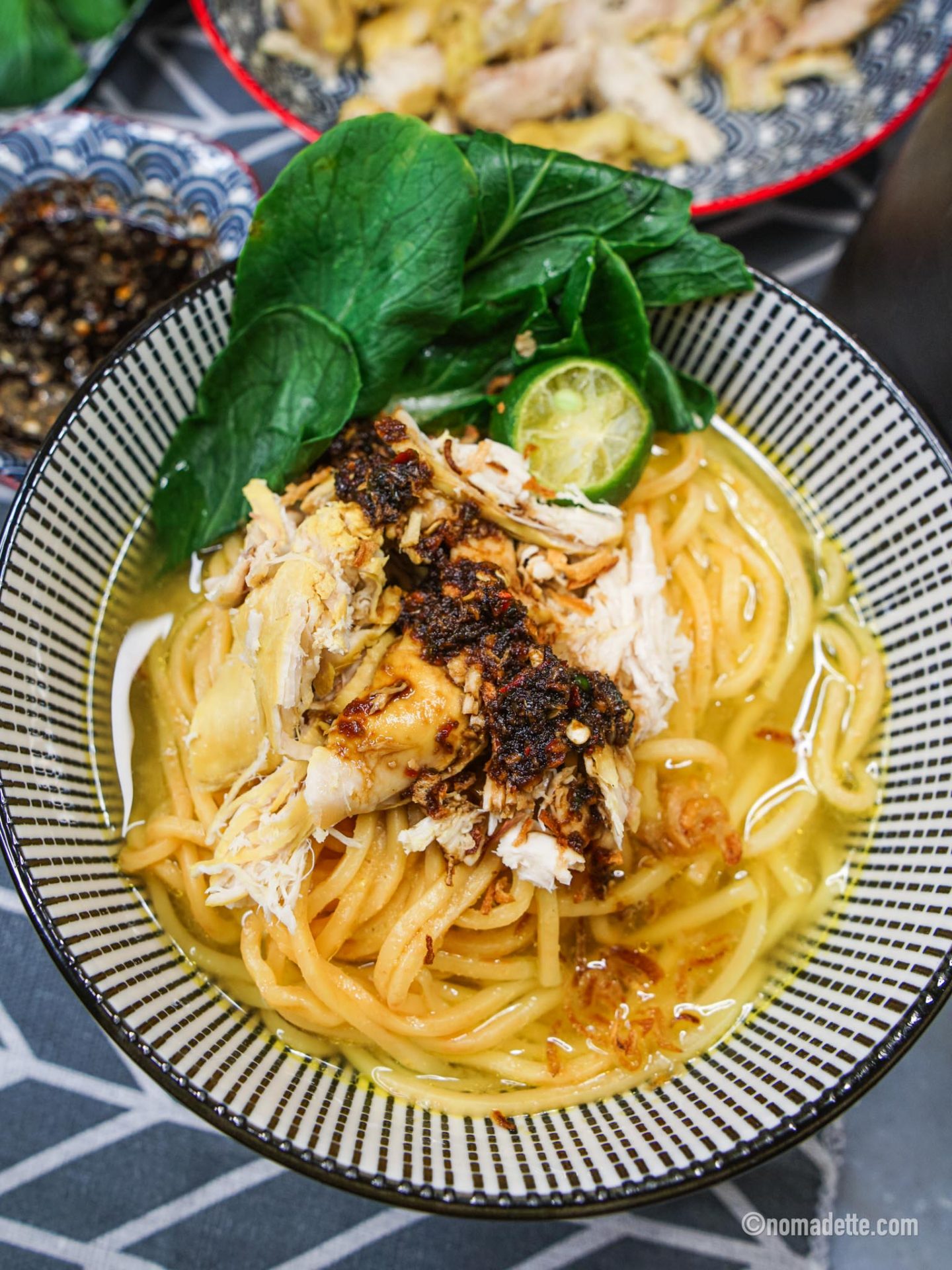
If you’ve ever wondered what the perfect comforting chicken soup tastes like, soto ayam is your answer. Think fragrant, lightly spiced broth, tender chicken, your carb of choice with a hit of sambal kicap heat – this classic Indonesian soup is soul-warming in every spoonful.
This version of soto ayam sticks closely to the local Singaporean and Malaysian style — a clear, aromatic broth served with yellow noodles or lontong (rice cakes), and, of course, the essential spicy Sambal Cili Kicap. I grew up with the version with sambal kicap, so when I had the original Indonesian version, I was confused that there wasn’t this spicy-sweet sauce!
I’ve added just a hint of turmeric powder as a nod to the vibrant Indonesian version, which tends to have a brighter yellow hue thanks to a generous amount of turmeric. I’m a big fan of turmeric, so of course I had to include it in. But don’t worry — it’s subtle, so the broth still has that classic clear, comforting look that we all know and love.
What is Soto?
Soto is an Indonesian chicken soup that has traveled across Southeast Asia, with each region giving it its own twist. In Indonesia, it’s often bright yellow from turmeric and sometimes served with rice.
In Singapore and Malaysia, the soup is usually clearer, and it’s almost always accompanied by a spicy sambal sauce. Noodles or rice cakes are the common carbohydrate used to make it a full meal, making it a flexible, hearty dish for breakfast, lunch, or dinner.
Why You’ll Love This Recipe
Key Ingredients
Chicken
Typically, shredded chicken breast is used as the topping for soto. But I find that just relying on breast meat to make the broth, will end up with a soup that’s lacking depth… and dry, stringy chicken on top. Breast meat just doesn’t hold up as well after simmering; the flavour seeps out into the broth, leaving the meat bland.
That’s why I prefer using dark meat cuts like chicken thighs. They’re much more flavourful, and the meat stays tender and juicy even after cooking.
Even better, you can use what I call the “scrap” parts of the chicken to build your broth—think odds and ends that aren’t breast, thighs, or wings. I do the same thing when making chicken soup. These less glamorous cuts work wonders in adding richness to your soup. Since the chicken is going to be shredded anyway, it doesn’t matter how the pieces look. Plus, it’s an excellent way to use up leftover chicken!
Of course, any part of the chicken will work—you can adapt based on what you have on hand.
How to get ultra flavourful Chicken Soto Broth
To get a rich, flavorful broth, I like to simmer the chicken parts for at least 30 minutes. The longer you let it simmer, the more chicken flavor you’ll extract BUT be careful not to overcook, or the meat can end up bland.
If you have extra “sacrificial” chicken parts, like leftover bones or pieces you don’t mind losing, let them continue simmering in the broth to boost the flavor. I wouldn’t plan on eating the meat from these parts, as it will be mostly flavor-leached by the end.
For the chicken that you’ll actually shred and serve as a topping, you can boil chicken breasts directly in the broth. Just make sure to remove them as soon as they’re fully cooked since it cook faster than bone-in pieces and stay tender this way.
What if I only have boneless chicken breasts? A simple trick is to add a chicken stock bouillon cube to deepen the flavour. Even better, if you have homemade chicken stock, use that instead of water for an extra-rich, aromatic soup.
Noodles
Soto Ayam can be served in a few different ways, but noodles are the classic choice in Singapore and Malaysia.
We usually go for:
- Yellow noodles
- Vermicelli rice noodles
- or both! Using both gives the best combination of texture and flavour.
But really, any noodles you love—even pasta—works perfectly with Soto.
Another popular option is Lontong Ketupat, or compressed rice cakes. On days when I don’t feel like fussing with noodles, I go for this instead. No noodles or rice cakes? Serve it with rice!
Soto Foundation: The Blended Base Paste
Carrying the full flavours of Soto Ayam is in the blended base paste! This is a gorgeous blend of Asian ingredients that truly bring out the flavours of the chicken.
Fortunately, the base ingredients are not too complicated to find. These are pantry staples in the Malay/Asian kitchen, and not too difficult to find in Asian grocers elsewhere.
- Onion + Garlic + Ginger: This is a classic combination
- Galangal: Also known as Blue Ginger, this adds a citrusy, floral, almost herby flavour to the soup.
- Candlenuts: These are optional, but they add a nice rounded flavour to the dish. An alternative to this would be hazelnuts and cashew nuts.
- Coriander Seeds and Cumin: These are the only two spices you need, although some would add Fennel as well. You have the option to dry toast these before hand to bring out the flavours even more.
- Turmeric Powder: Turmeric is optional in the Singapore and Malay versions, but essential in the Indonesian version. It is up to your preference, if you’d like to use it.
The Best Condiment: Sambal Cili Kicap
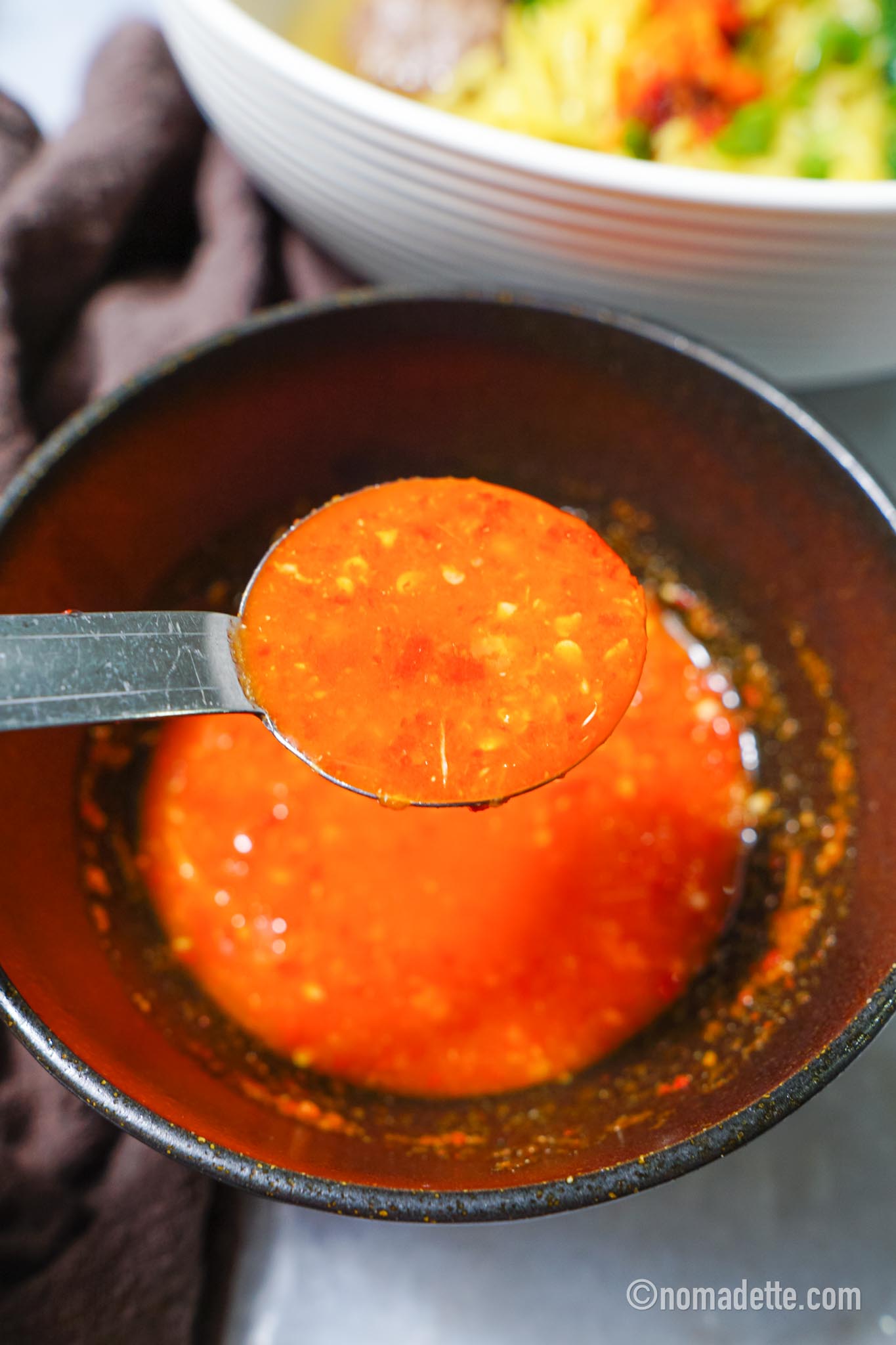
In Singapore and Malaysia, Soto is almost always served with a helping of spicy, tangy, and slightly sweet dark soy sauce. I also included a recipe for this here.
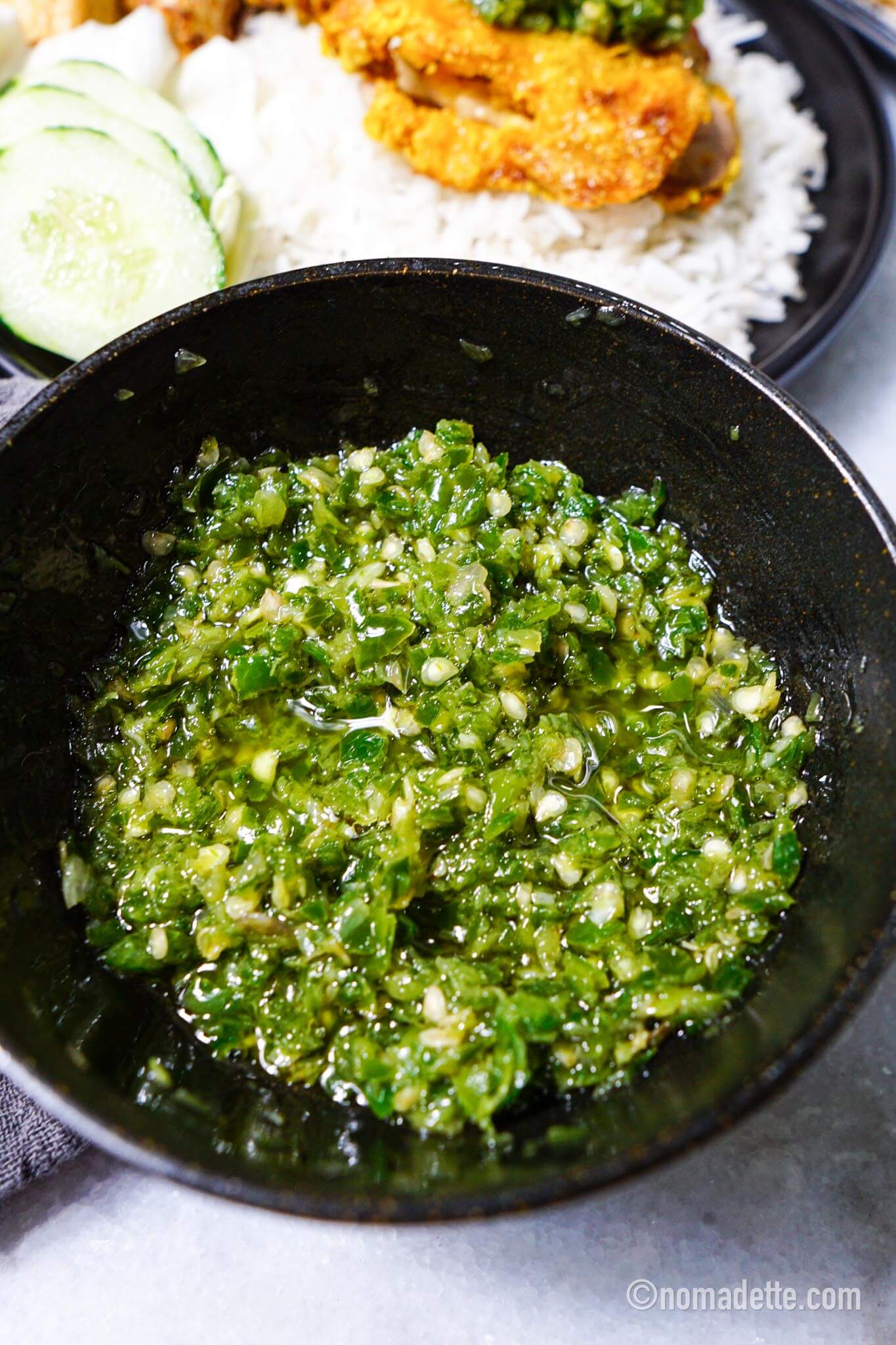
I like to use a combination of green and red chillies in this sambal. Green chillies are milder and add a fresh, bright note, while red chillies bring heat and depth. It’s optional, of course—you can use whichever you have on hand—but I highly recommend trying both. The difference in flavour is noticeable!
This recipe makes about ½ cup (120 ml), which is more than enough for one serving of soto. Any leftovers can be stored in the fridge for next time, so you always have a punchy, flavourful condiment ready to go.
Key Steps to Making Soto Ayam
1. Blending the Soto Base Paste
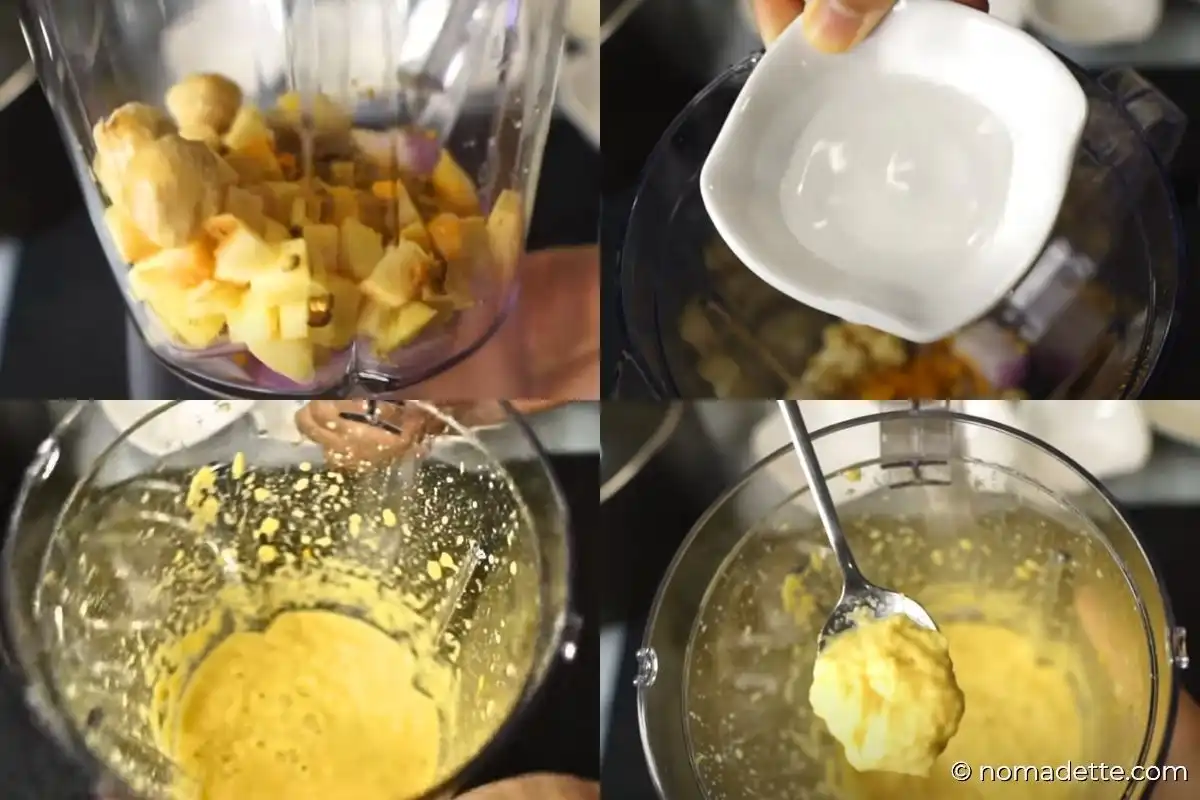
- Add all of the ingredients for the soto paste to a blender.
- Blend until a smooth paste forms. Gradually add water if ingredients are not blending as smoothly.
2. Make the Soto Soup
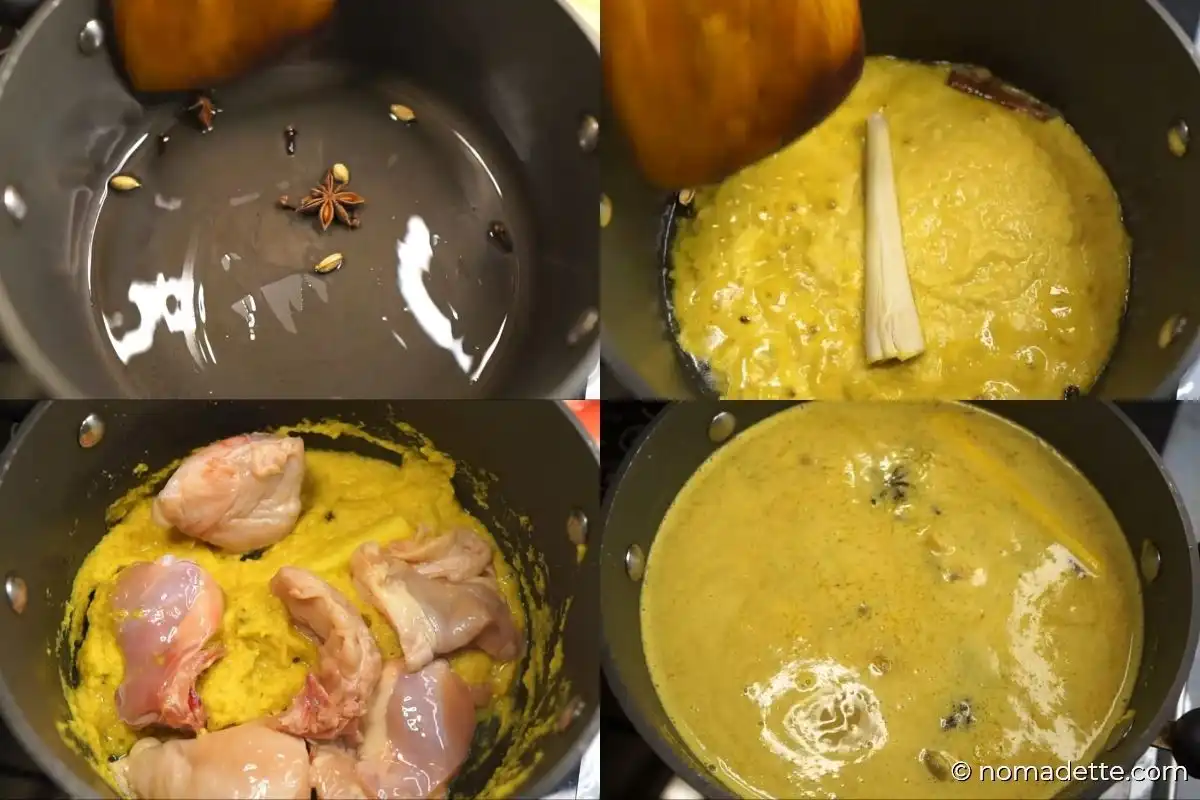
- In a pot, add oil and place over low to medium heat. Once hot, add star anise, cinnamon, cloves, and cardamom pods. Saute until fragrant.
- Once fragrant, add the blended base paste, and bruised lemongrass. Saute until fragrant, or until base paste has dried down slightly. This should take about 5 minutes.
- Add the chicken pieces, and stir through to coat with the paste. Let the chicken sear for about 2-3 minutes, just until the surface of chicken is not pink anymore.
- Add water (or stock). Stir to combine and let this come to a boil.
- Once boiling, lower the heat to simmer. Cover pot with a lid and let simmer for at least 30 minutes or until the chicken fully cooks.
- At the 30 minute or so mark, chicken should be fully cooked. Season with salt and pepper, adjust to taste. Soto soup is ready! Turn off the heat.
3. Prepare the Toppings
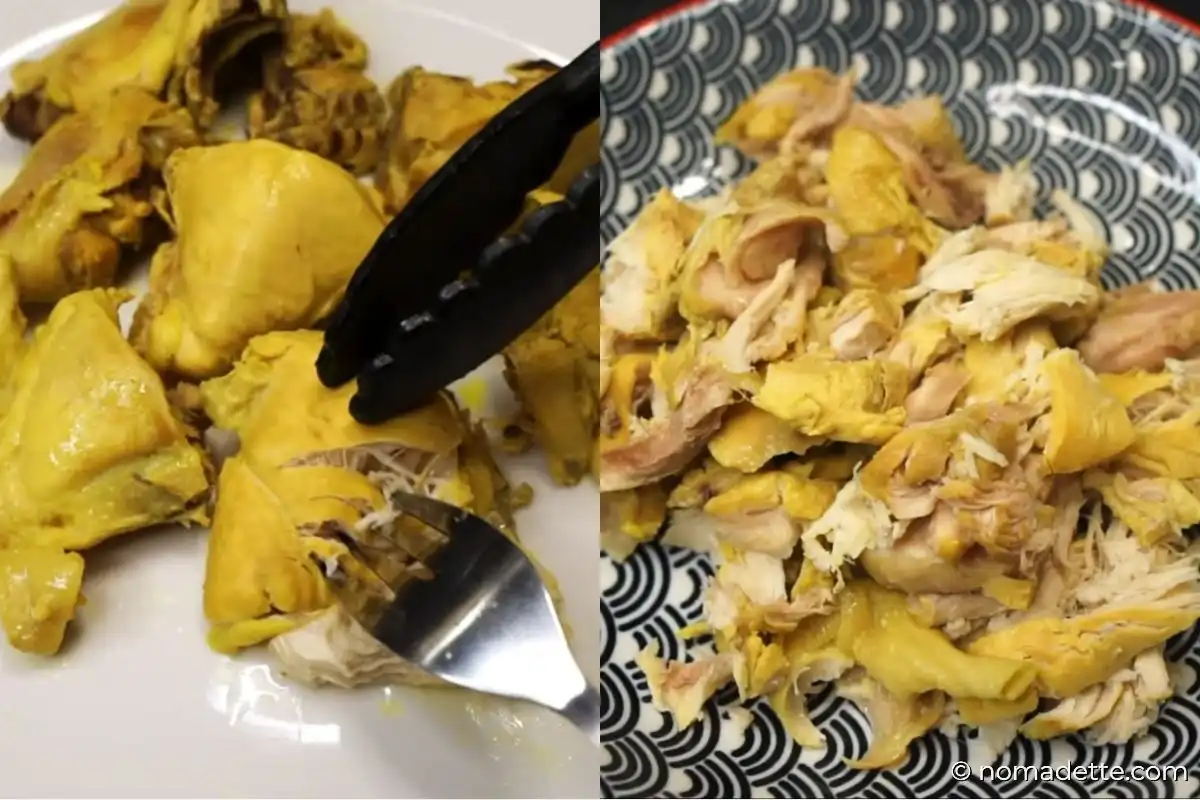
- Remove the cooked chicken from the soup. Shred the chicken meat into strips. You can use a fork or rip them apart with your hands. Set aside.
- Set a pot of water boiling. Blanch vegetables. Set aside.
- Blanch noodles next, you may use the same pot. Set aside or immediately ladle onto serving bowls. Yellow noodles are best when they are freshly blanched. If using any other noodles of choice, cook according to package instructions.
4. Making the Sambal Cili Kicap
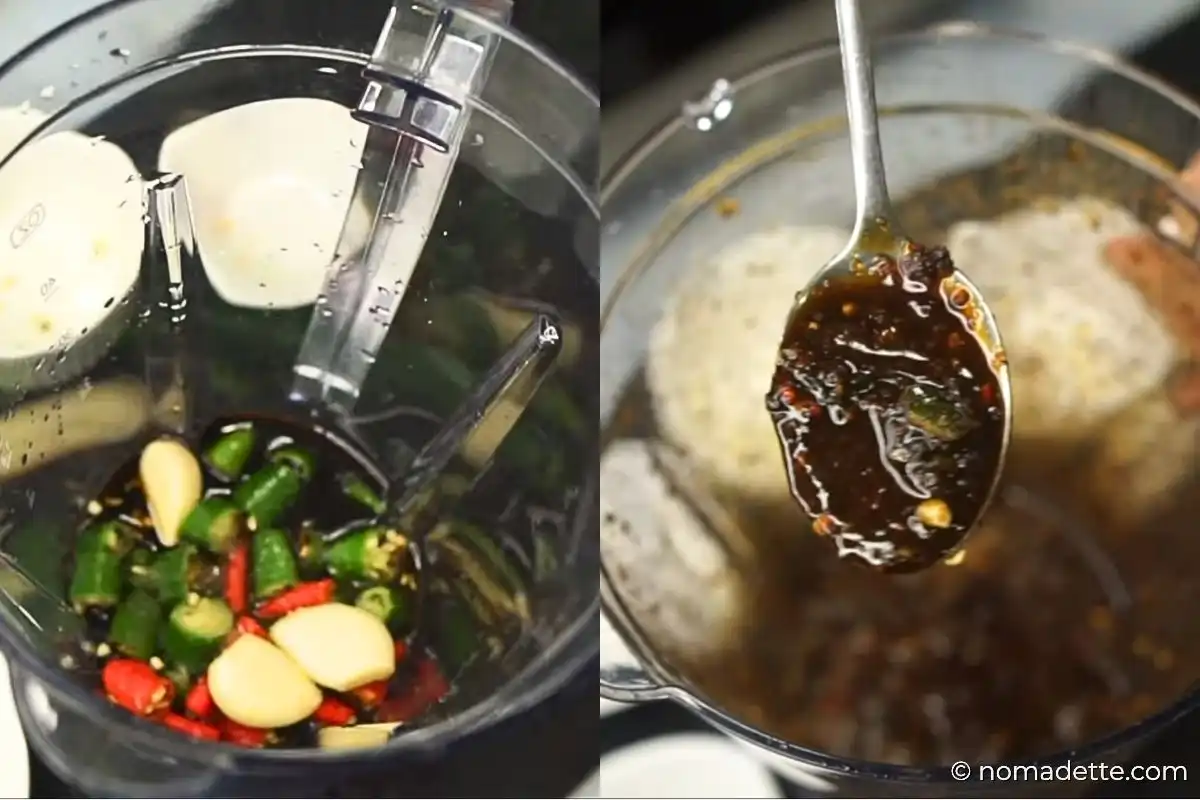
- Add dark sweet soy sauce or kicap manis, green chillies, bird’s eye chillies, garlic, lime juice, salt and sugar to a blender.
- Pulse the blender to get a rough blend. Alternatively, use a pestle and mortar.
- Taste and adjust seasoning if needed. Serve immediately, or store in the fridge overnight to let the flavours develop even more.
NOTE: For efficiency, make the sambal kicap while the soto soup is boiling. The sambal cili kicap can also be made in advance!
5. Assemble and Serve
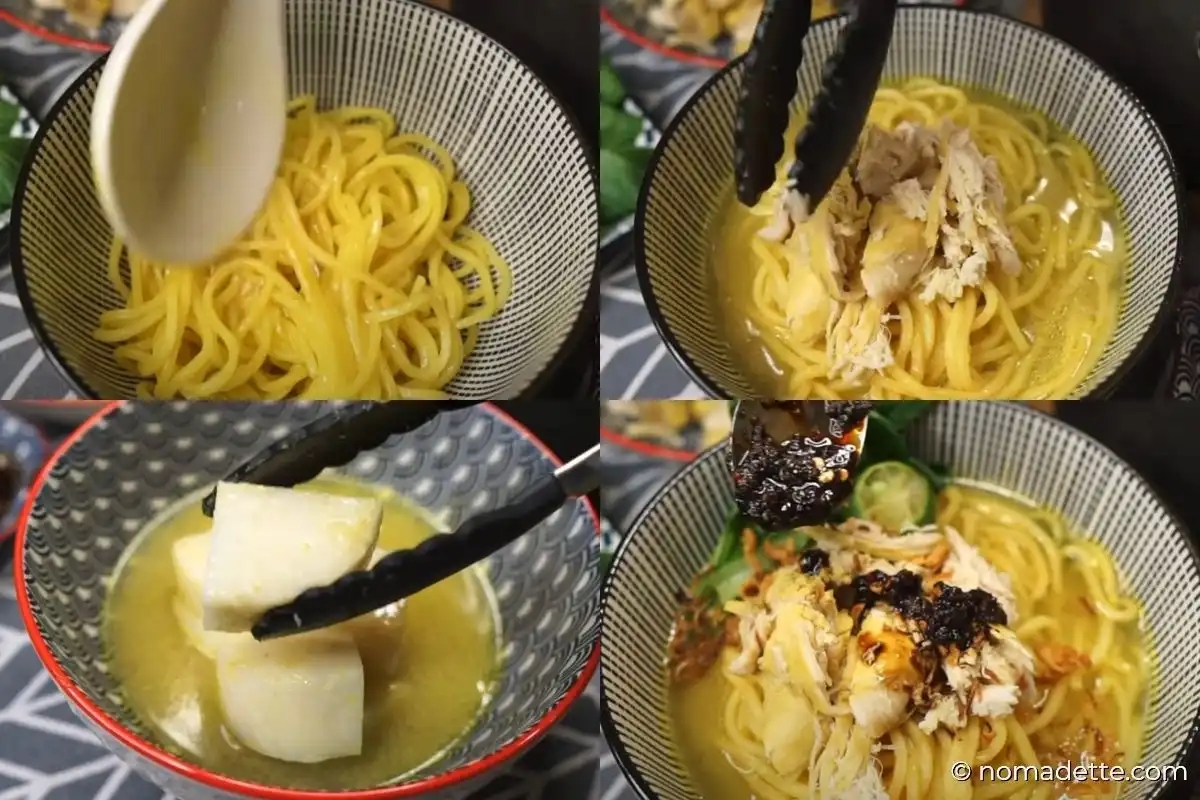
- In a bowl, add blanched noodles and ladle in soup to serve.
- Top with shredded chicken and blanched vegetables of choice. Garnish with lime, fried shallots and cilantro.
- Soto is ready to be served, with sambal cili kicap on the side. Enjoy!
How to Serve Soto Ayam
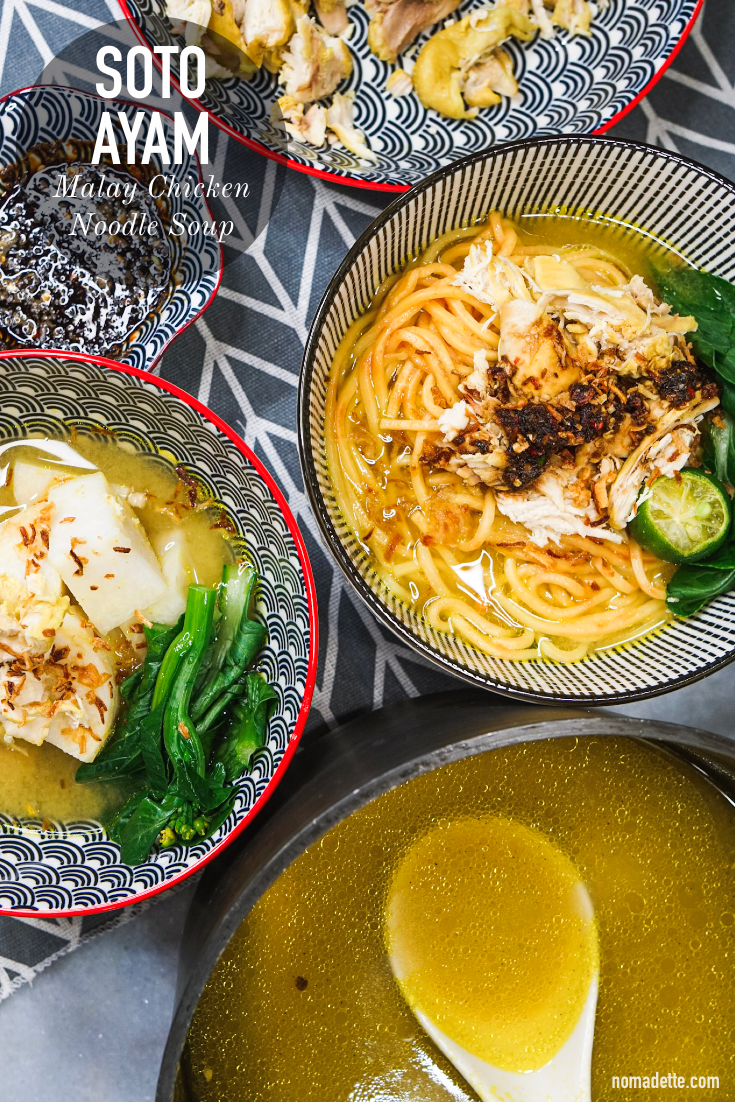
Soto ayam is wonderfully versatile, and the way it’s served can change the whole experience. Here’s how you can enjoy it:
- With Noodles – The classic local way: yellow egg noodles or vermicelli in a bowl, topped with tender chicken, bean sprouts, fried shallots, and fresh herbs. Drizzle with Sambal Cili Kicap for that signature kick.
- With Lontong (Rice Cakes) – Cut rice cakes into bite-sized pieces and serve them in the broth with chicken and garnishes. Hearty, filling, and perfect for breakfast or lunch. I have an easy way to make lontong at home right here!
- With Rice – Soto in Indonesia is commonly served with steamed rice rather than noodles. The turmeric-rich, golden broth makes the rice extra comforting. Sometimes krupuk (prawn crackers). Some regional variations even include fried chicken or meatballs (bakso).
- Soup Style – Simply enjoy the clear, aromatic broth with chicken and a few garnishes. It’s lighter, but still deeply comforting.
- Porridge Style – Cooked rice or congee added to the broth creates a warm, soothing meal. I often make it this way when I’m sick — it’s gentle, nourishing, and incredibly comforting.
No matter how you serve it — noodles, rice cakes, rice, soup, or porridge; soto ayam is a comforting, adaptable dish that works for any occasion, mealtime, or mood.
Watch How to Make Mee Soto Ayam
More Recipes Like This
If you love this, make sure you check these out too:
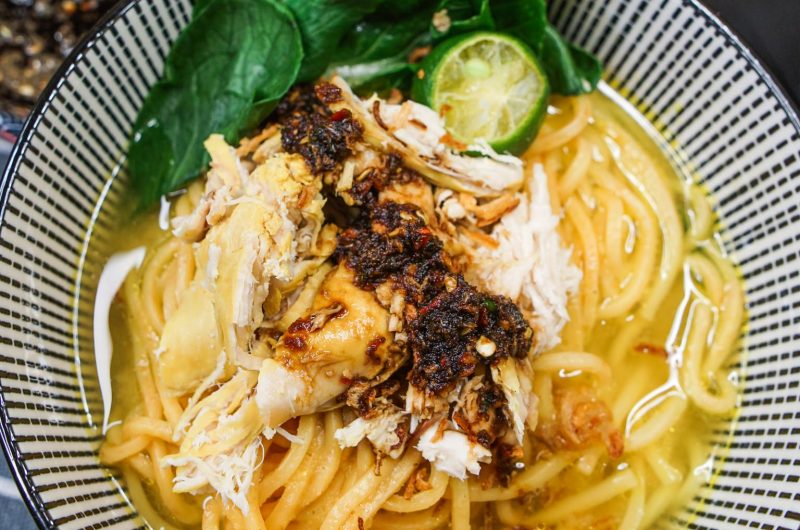
Mee Soto Ayam | Malay Chicken Noodle Soup
4
servings15
minutes40
minutesThis is the ULTIMATE recipe to make Mee Soto Ayam, or Malaysian Chicken Noodle Soup complete with a delicious, spicy Sambal Cili Kicap sauce!
Keep the screen of your device on
Ingredients
- Blended Base Paste
2 onion, peeled and roughly chopped
3 -4 garlic, peeled
1/2 inch ginger, peeled and roughly chopped
1/2 inch galangal, peeled and roughly chopped
4 candlenuts (optional. alternatively use hazelnuts or cashew nuts)
1 tsp coriander seeds
1/2 tsp cumin
1/2 tsp turmeric powder (optional)
2 -3tbsps water, for easier blending
- Soto Soup
600 g bone-in chicken*
1.5 litres water
1 stalk lemongrass, bruised
4 cloves
1 cinnamon
2 tsps salt, or to taste
1 tsp white pepper
4 servings or 500g noodles, blanched
1 cup beansprouts, blanched (or any other vegetable of choice)
- Garnishing
calamansi limes
coriander/cilantro
fried shallots
- Sambal Cili Kicap
3 Thai bird’s eye chillies or cili padis
3 cloves garlic
2 tbsp lime juice or juice from about 4 calamansi limes
1/2 tsp salt, or to taste
1/2 tsp sugar, or to taste
Directions
- Making the Soto Base Paste
- Add all of the ingredients in Blended Base Paste to a blender. Finely blend the ingredients until a smooth paste forms. Gradually add water if ingredients are not blending smoothly.
- Make the Soto Soup
- Heat oil in a pot over low to medium heat. Once hot, add the star anise, cinnamon, cloves, and cardamom. Sauté until fragrant.
- Add the blended base paste and a bruised lemongrass stalk. Cook for about 5 minutes, stirring until fragrant and slightly reduced.
- Add the chicken pieces and stir well to coat with the paste. Let them sear for 2–3 minutes, just until no longer pink on the outside.
- Pour in water and bring to a boil.
- Once boiling, reduce the heat to low, cover, and let simmer for about 30 minutes, until the chicken is fully cooked. Season with salt and white pepper to taste. Turn off the heat.
- Prepare the Toppings
- Remove the cooked chicken from the soup. Shred the chicken meat into strips. You can use a fork or rip them apart with your hands. Set aside.
- In a separate pot, bring water to a boil. Blanch the vegetables, then set aside.
- Blanch the noodles next (you can use the same pot). Yellow noodles are best freshly blanched. For other types, cook according to package instructions.
- Set a pot of water boiling. Blanch vegetables. Set aside.
- Make the Sambal Cili Kicap
- Add dark sweet soy sauce (kicap manis), green chillies, bird’s eye chillies, garlic, lime juice, salt, and sugar to a blender.
- Pulse until roughly blended. (Alternatively, pound with a pestle and mortar.)
- Taste and adjust seasoning. Serve immediately, or refrigerate overnight to let the flavours deepen.
- Assemble and Serve
- In a bowl, add blanched noodles and ladle in soup to serve. Top with shredded chicken and blanched vegetables of choice. Garnish with lime, fried shallots and cilantro. Soto is ready to be served, with sambal cili kicap on the side. Enjoy!
Notes
- *You can also use poach boneless Chicken Breasts instead. Shorten the cook time to not dry out breasts.
Did you make this recipe?
Tag @nomadetteats on Instagram