

The healthy steamed chicken I actually want to eat! Pepes Ayam is an Indonesian-spiced chicken wrapped in banana leaves and steamed until tender. This healthier version uses no oil without sacrificing flavour!
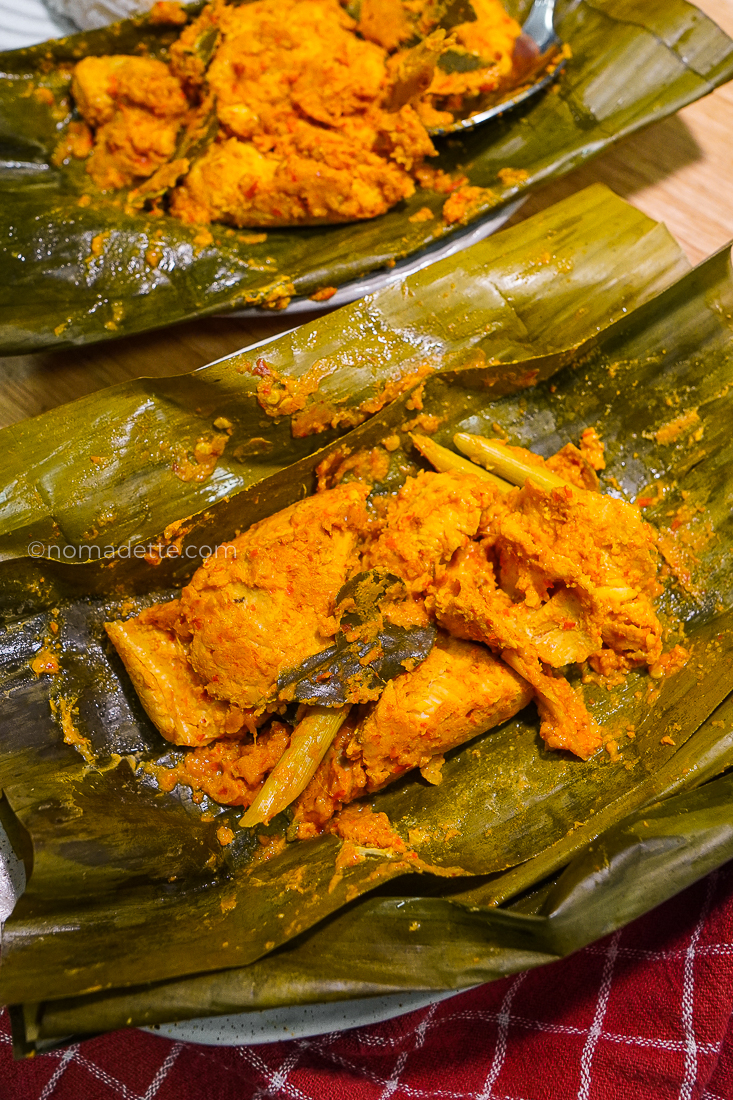
The early bird may get the worm, but sometimes the late bird gets free banana leaves! Pepes Ayam, or Indonesian Banana Leaf Steamed Chicken, was definitely not on my weekend cooking plans, but I was at the market right before the shops closed, and my veggie auntie gave me a whole stack of banana leaves for free since she was closing up soon. Who am I to say no?
I used some of them to plate my nasi lemak, but with the remaining leaves sitting in my fridge, I thought this was the perfect time to make Pepes Ayam, or Indonesian-style Banana Leaf Steamed Chicken.
Traditionally, the spice base or bumbu is sautéed in oil to bloom and develop the flavours. For this healthier twist version, I use a no-oil air frying or dry-toasting method, to bring out all those gorgeous flavours without needing to fry the spice paste in oil.
The aromatics become soft, lightly charred and intensely fragrant before being blended into a thick bumbu. The chicken is then coated in the paste, wrapped in banana leaves and gently steamed until tender and full of flavour.
High protein, low calorie and seriously high in flavour, this is one you’re going to keep adding rice to.
What Is Pepes Ayam?
Pepes ayam is an Indonesian dish made with chicken coated in a fragrant spice paste and cooked inside banana leaves.
- Pepes = the traditional Indonesian cooking method where ingredients are wrapped in banana leaves, and then steamed or grilled.
- Ayam = Chicken
As the dish cooks, the banana leaves help hold in moisture and all those incredible aromatics, while also adding their own subtle fragrance to the dish.
This dish is all about that flavour packed spice base, or bumbu, made with ingredients like chillies, shallots, garlic, turmeric, ginger and candlenuts. Chicken is marinated in the bumbu, before being wrapped wrapped up into individual parcels and cooked. The result is chicken that is tender, juicy and absolutely packed with flavour.
Besides chicken, you can also make pepes with fish, and tofu.
Why You Will Love Pepes Ayam
Key Ingredients
Chicken
- You can use either boneless, skinless chicken breast or chicken thighs for this recipe.
- Chicken breast is leaner and keeps the dish especially high protein and low calorie. Just be careful not to overcook it, as it can dry out more easily. Chicken thighs are a little more forgiving and stay wonderfully juicy during steaming.
- Cut the chicken into even pieces so everything cooks evenly inside the banana-leaf parcels. I like slightly larger chunks, about 2-3cm wide, so they’re easier to portion and pick out of the parcels.
Spice Paste / Bumbu
- Red Chillies and Bird’s Eye Chillies: Red chillies give the bumbu its vibrant colour and body, while bird’s eye chillies bring the heat. You can easily adjust the amount of bird’s eye chillies depending on your spice tolerance. The red chillies still provide plenty of flavour even if you prefer a milder dish.
- Shallots or onions and Garlic: These form the savoury, aromatic base of the bumbu. Dry-toasting or air frying them first softens them and brings out their natural sweetness. A little browning is a good thing here. Those caramelised spots add extra depth to the finished spice paste.
- Fresh Turmeric and Ginger: Fresh turmeric gives the bumbu its beautiful golden colour and earthy flavour, while ginger adds a warm, fresh bite. Since we are toasting, use fresh turmeric for the best flavour. If you only have turmeric powder, cut down on the amount otherwise it might turn up bitter.
- Candlenuts (optional): Candlenuts add richness and help give the bumbu a fuller, creamier texture. They are a common ingredient in Indonesian cooking, but you can omit.
Aromatics
- Lemongrass: Lemongrass adds one of the key fragrances in this dish. Bruise first and cut into large chunks before adding to the marinade. You can also blend this in with the bumbu, but I personally don’t like the fibres it leaves.
- Makrut Lime Leaves: Makrut lime leaves add a distinctive citrusy fragrance that works beautifully with the turmeric, chillies and lemongrass. Tear the leaves before adding them to the chicken to help release more of their aroma.
Banana Leaves
Banana leaves are what make pepes so special.
As the parcels steam, the banana leaves trap in moisture and all the aromatics while adding their own subtle fragrance to the chicken.
If you don’t have banana leaves, or just don’t want to use them, no worries – wrap in baking paper and steam. Don’t want to bother with wrapping? No problem. Arrange in a heatproof dish and steam. Won’t be as fun though 😉
NOTE: If the leaves are stiff, briefly heat them over a flame or in a dry pan first. This softens them and makes them much easier to fold without tearing. It’s a very easy process, but I have a full guide on how to prep banana leaves for cooking right here.
Key Steps to Making Pepes Ayam
1. Toast or Air Fry the Aromatics
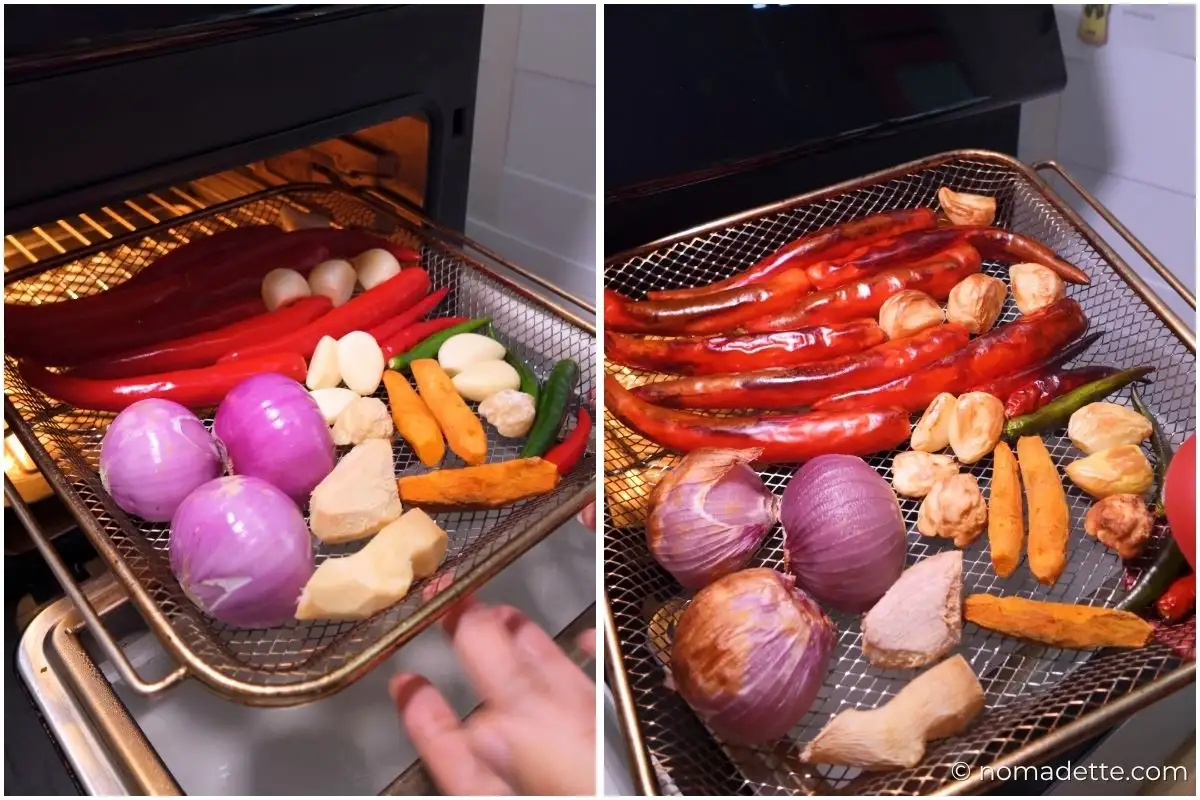
- The first step is to cook the chillies, shallots, garlic, turmeric, ginger, candlenuts and lemongrass.
- Traditionally, many versions of bumbu are cooked in oil to develop the flavours. For this lighter version, I dry-toast the aromatics in a pan instead.
- Cook them until softened, fragrant and lightly blistered. You want some colour on the chillies and garlic, but don’t worry if every ingredient cooks at a slightly different rate. Since everything is going into the blender, a little uneven charring will only add more flavour.
- You can also air fry the aromatics until softened and lightly charred.
2. Blend Into a Thick Bumbu
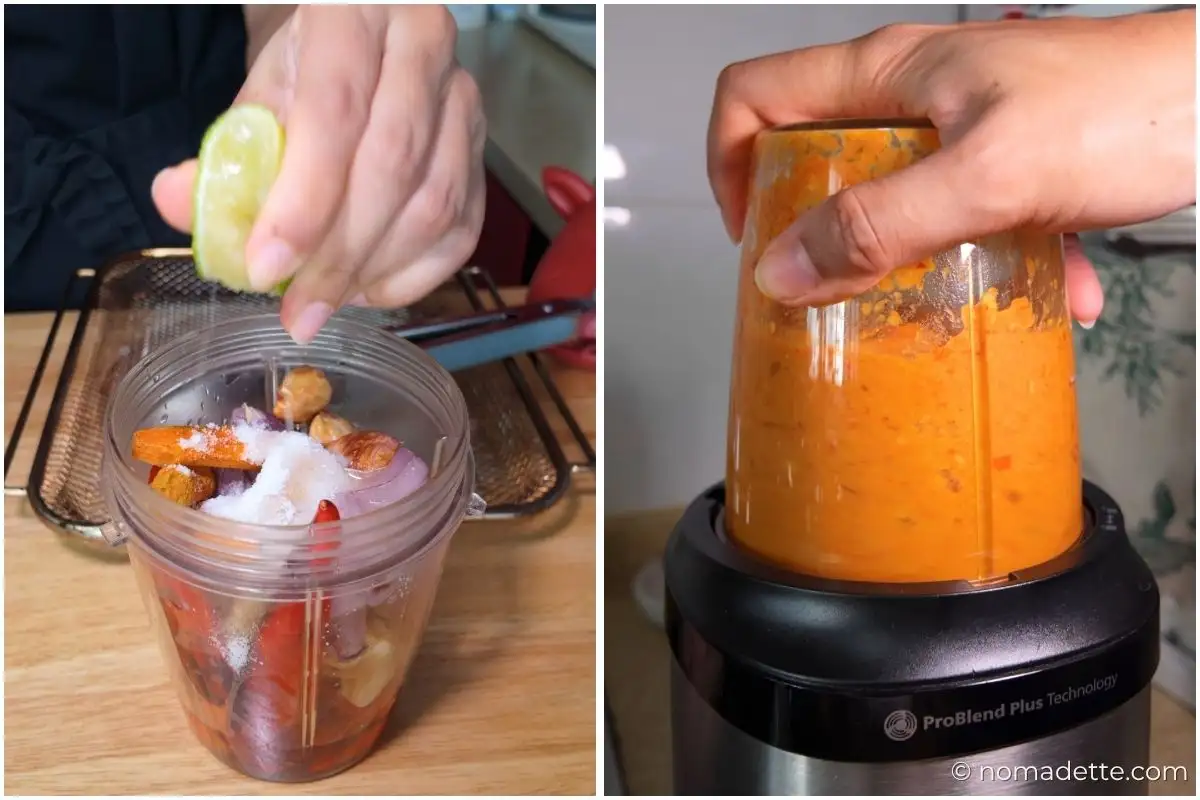
- Allow the toasted aromatics to cool slightly before blending them with the seasonings and just enough liquid to help everything come together.
- The key here is to keep the bumbu thick.
- You want a paste that clings generously to the chicken rather than a thin, watery sauce. Add water gradually and only as needed.
3. Coat the Chicken
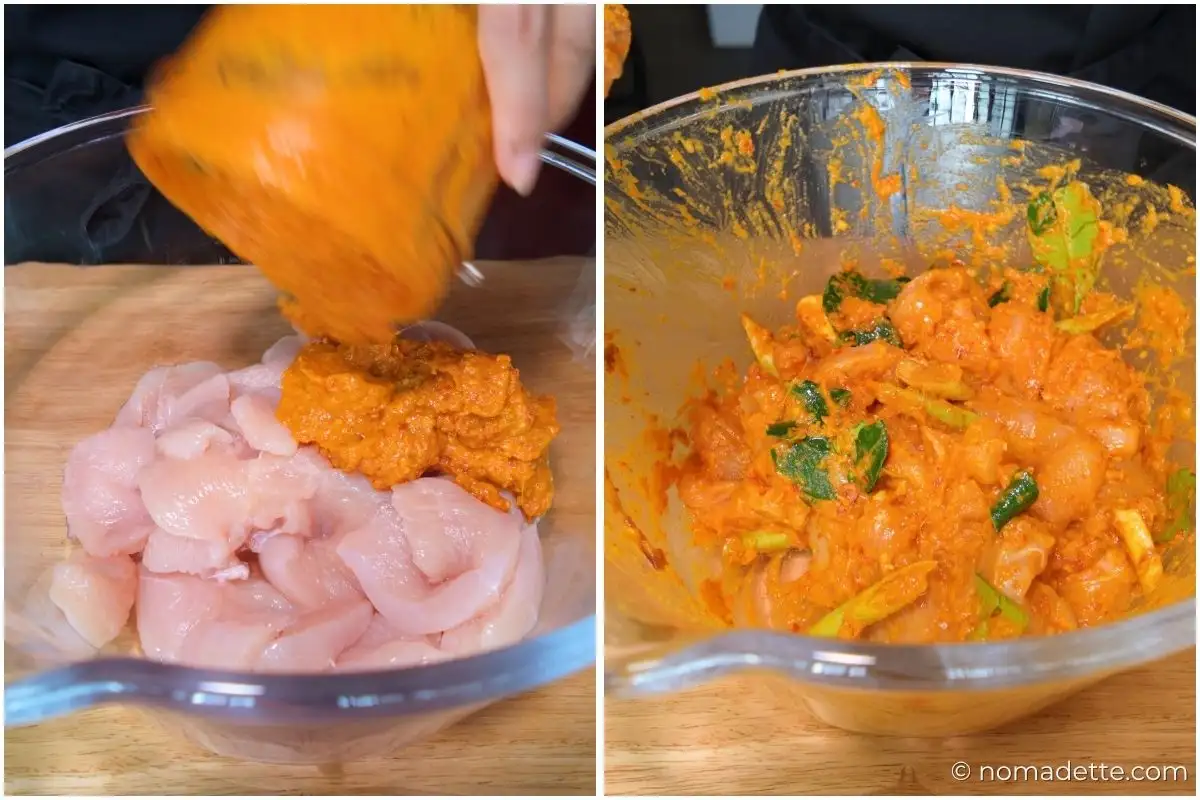
- Mix the chicken thoroughly with the bumbu until every piece is well coated.
- Stir through the lemongrass pieces and torn makrut lime leaves.
- You can leave the chicken in the bowl to marinate, but I prefer to wrap it in the banana leaves first. This lets the chicken continue marinating directly in the parcels and makes them ready to steam whenever you are.
4. Wrap in Banana Leaves
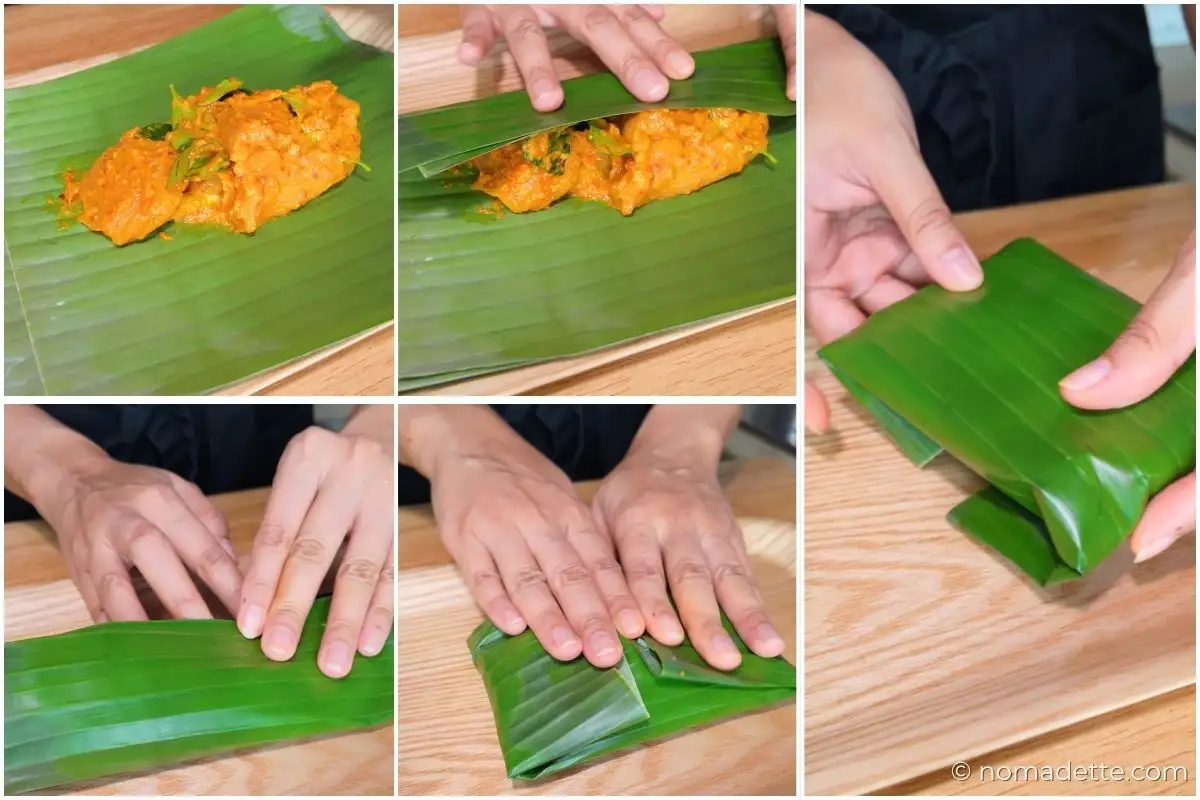
- For each parcel, use 2 layers of banana leaf. The extra layer helps prevent the bumbu and juices from leaking out while the chicken steams. Each leaf should be roughly 20 x 20 cm (8 x 8 inches).
- Place two pieces of softened banana leaf on top of each other, then add a portion of the chicken to the centre.
- I like to scoop about 100g of chicken in each parcel to keep track of protein count. Rough amounts are fine, as long as they look similar so that they will cook evenly.
- Fold two opposite ends of the leaves over the chicken, then fold the remaining ends over to form a secure parcel. Place the parcel folded-side down to keep it closed. No toothpicks needed!
- You can also fold the leaves upwards and secure the parcel with toothpicks or staples, but I prefer the simple no-toothpick method.
- Don’t worry about making every parcel look identical. The important thing is that the banana leaves securely contain the chicken, bumbu and aromatics while steaming.
5. Marinate
- Once wrapped, place the banana-leaf parcels in the refrigerator to marinate for at least 2 hours.
- Overnight is even better, giving the chicken plenty of time to absorb all those fragrant bumbu flavours.
- If you really have no patience, you can steam the parcels immediately. It’ll still be good! But if you have the time, letting them marinate will give you more flavour.
6. Steam Until Tender
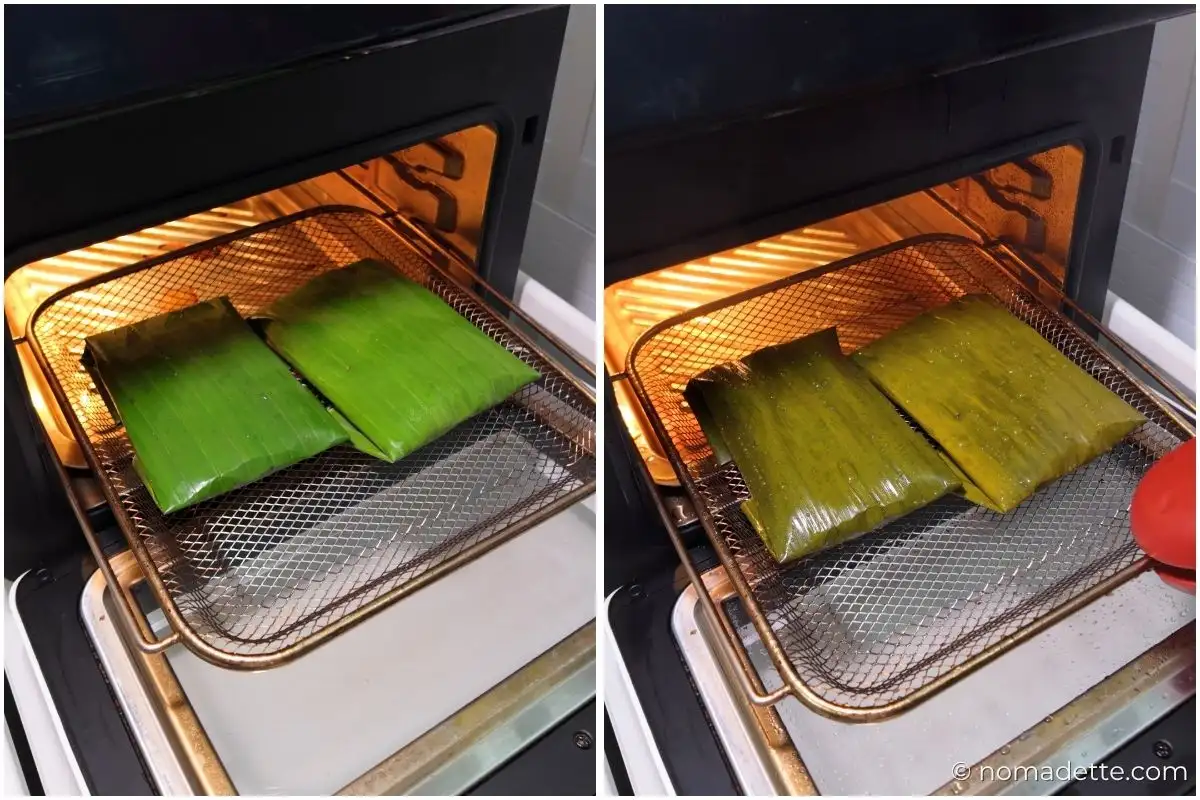
- Arrange the parcels in a steamer and cook for 25–30 minutes, or until the chicken is fully cooked and tender.
- If steaming directly from the refrigerator, you may need to add a few extra minutes to the cooking time.
- The banana leaves trap the moisture inside, allowing the chicken to gently cook in all those flavours from the bumbu, lemongrass and makrut lime leaves.
- Open the parcel at the table and enjoy that burst of fragrant steam!
Alternatively, grill/roast/air fry!
Traditionally, pepes can also be grilled to cook – and this is a route you can take too. Personally, I prefer steaming as the grill method can dry out the bumbu.
To air fry: 180°C / 350°F for 18–20 minutes.
How to Serve Pepes Ayam
My first choice is always a generous serving of hot steamed rice. The bumbu is intensely flavourful and saucy enough that you’re going to want something to soak it all up.
Serve pepes ayam with:
- Steamed white rice or brown rice
- Coconut rice or nasi lemak for a more indulgent meal
- Fresh cucumber slices
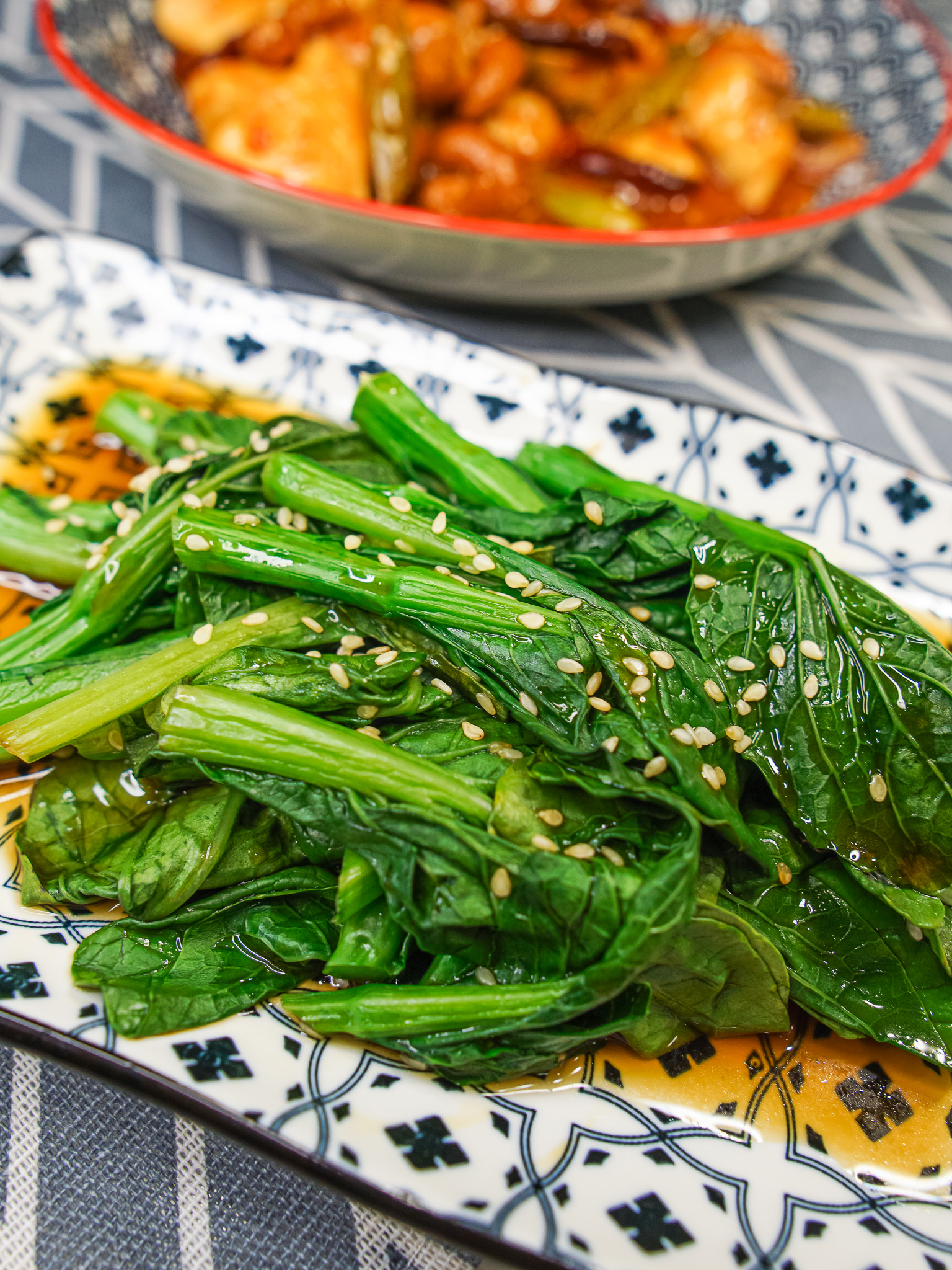
- Stir-fried greens
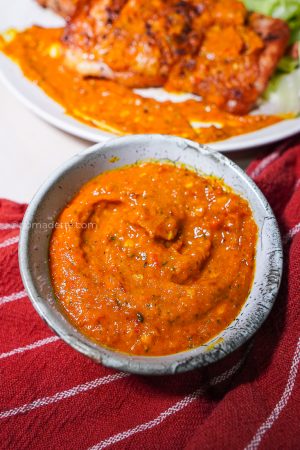
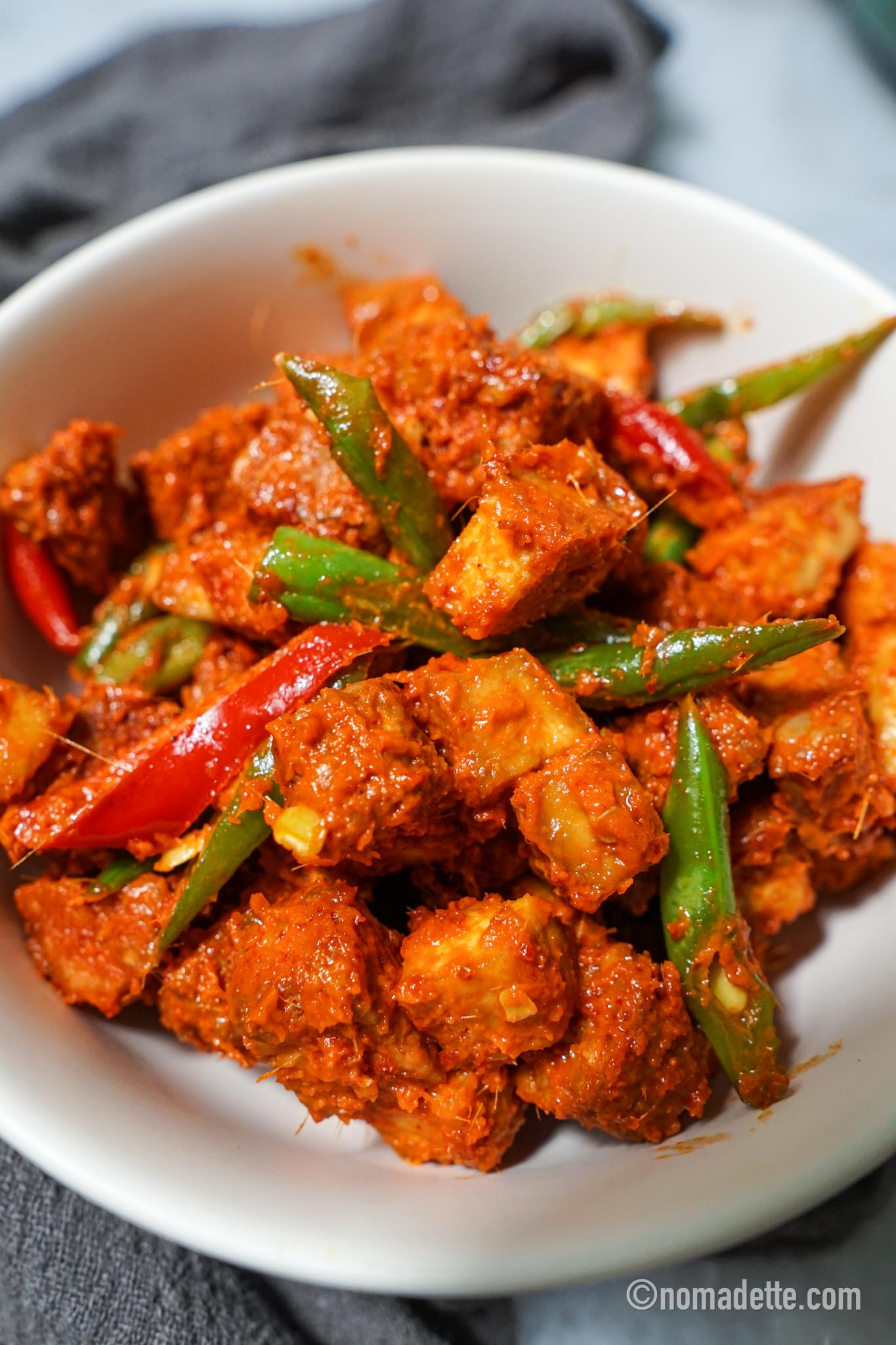
- Sambal, if you want even more heat
For an easy everyday meal, I love serving the banana-leaf parcel alongside rice and a simple plate of fresh or lightly cooked vegetables.
Tips and Tricks
How to Meal Prep Pepes Ayam
Pepes ayam is great for meal prep because you can prepare the parcels ahead of time and simply steam them when you’re ready to eat.
- Prep ahead: Marinate and wrap the chicken in banana leaves, then refrigerate the uncooked parcels for up to 24 hours.
- Cook from the fridge: Steam the parcels straight from the refrigerator, adding a few extra minutes to the cooking time if needed.
- Freeze for later: You can also freeze the uncooked banana-leaf parcels for up to 2–3 months. Place them in a freezer-safe bag or airtight container, then thaw overnight in the refrigerator before steaming.
- Batch cook: Once cooked, portion the parcels with rice and vegetables for easy grab-and-go lunches or dinners throughout the week.
How to Make Pepes Ikan or Tahu
Don’t want chicken? You can easily use the same fragrant bumbu for pepes ikan, pepes udang or pepes tahu too. Simply swap the chicken for your choice of seafood or firm tofu.
- For pepes ikan, coat the fish or seafood generously with the bumbu and let it marinate for 15–30 minutes. Place the fish on the banana leaves, wrap tightly, and steam until the fish is cooked through, usually around 15–20 minutes, depending on the thickness of the fillet.
- For pepes tahu, mash or crumble firm tofu and mix it directly with the bumbu. There is no need to marinate. Spoon the mixture onto the banana leaves, wrap into parcels and steam for 15–20 minutes, or until the tofu is heated through and set.
For both versions, you can finish the parcels in an air fryer or under the grill/broiler for a few minutes to dry out the surface and add a little char.
Storage and Reheating
Storing
- Store cooked pepes ayam in an airtight container in the refrigerator for up to 3 days.
- You can keep the chicken wrapped in the banana leaves while storing.
Reheating
- Steam: Place the parcels in a steamer and steam until heated through. This is my preferred method as it keeps the chicken moist.
- Microwave: Unwrap the chicken and place in a microwave-safe container. Cover loosely and heat in short intervals until piping hot.
- Reheat from frozen: For frozen pepes ayam, thaw overnight in the refrigerator before reheating.
Tip
Reheat only the portion you’re planning to eat to avoid repeatedly reheating the chicken.
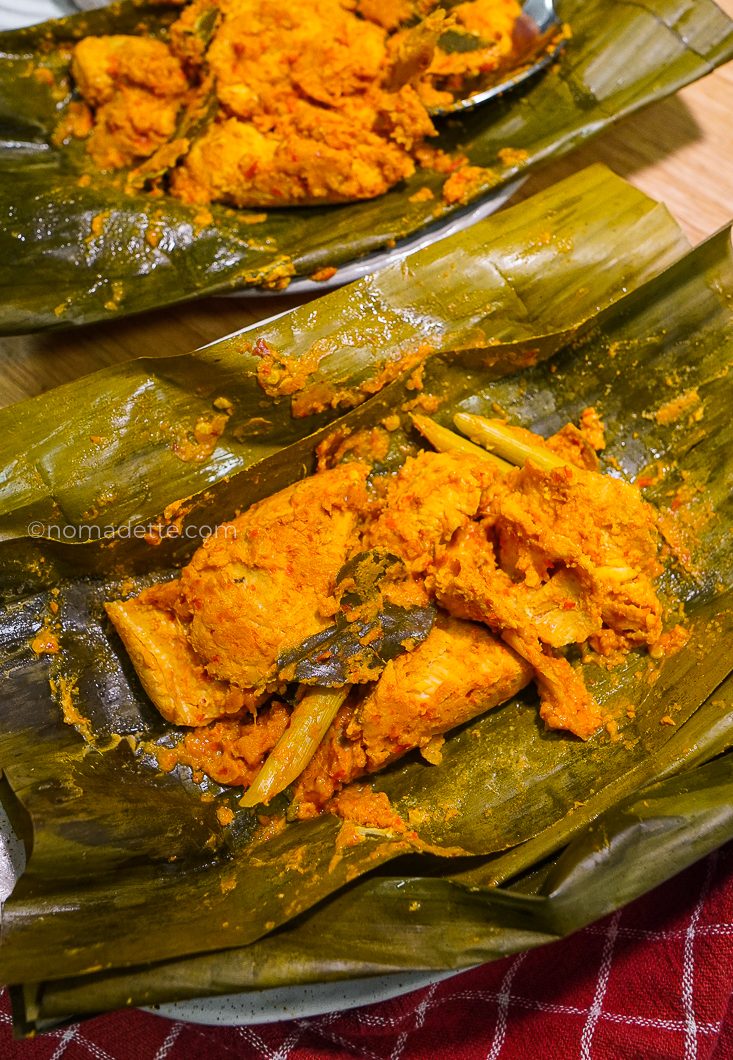
Pepes Ayam (healthy, no-oil Indonesian Steamed Chicken)
4
servings20
minutes20
minutesIndonesian steamed chicken wrapped in fragrant banana leaves, made with a deeply aromatic bumbu of chillies, turmeric, lemongrass and makrut lime leaves.
Keep the screen of your device on
Ingredients
- Chicken
500 g (1.1 lb) boneless, skinless chicken breast or chicken thighs, cut into bite-sized pieces
Banana leaves, as needed
- Bumbu
8 red chillies (about 120 g / 4.2 oz)
5 bird’s eye chillies (about 16 g / 0.6 oz), adjust to taste
10 shallots or 1 large onion (about 100 g / 3.5 oz), peeled
10 cloves garlic (about 50 g / 1.8 oz), peeled
20 g fresh turmeric, peeled
20 g fresh ginger, peeled
3 candlenuts
2 stalks lemongrass, bruised and cut into large chunks
10 makrut lime leaves, roughly torn
2 tsp salt
1 tsp sugar
1 tbsp lime juice
1/4 cup (60 ml) water, only as needed for blending
1 tbsp neutral oil, optional
Directions
- Toast the Aromatics
- Toast with either methods:
a. To Air Fry: Alternatively, arrange ingredients on an air fryer rack. Air fry at 180°C (350°F) for about 10–12 minutes.
b. To Dry Toast: Add the red chillies, bird’s eye chillies, shallots, garlic, turmeric, ginger, candlenuts to a frying pan, with no oil. Place over medium heat and dry-toast for 10–12 minutes, turning and stirring occasionally, until the aromatics are softened and fragrant. The chillies should blister, the shallots should soften, and the garlic should develop some brown spots. - Remove from heat and let cool slightly.
- Make the Bumbu
- Blend the toasted aromatics with the salt, sugar and lime juice. Add water a little at a time, only as needed, until you have a thick paste.
- Add the bumbu to the chicken and mix well.
- Stir through the reserved lemongrass pieces and torn makrut lime leaves.
- Wrap in Banana Leaves
- If needed, soften the banana leaves by passing them briefly over a flame until pliable.
- For each parcel, use 2 layers of banana leaf. Place the leaves on top of each other and add a portion of chicken to the centre. Each leaf should be roughly 20 x 20 cm (8 x 8 inches).
- Fold the leaves over the chicken to form a secure parcel, then place folded-side down. No toothpicks are needed.
- Refrigerate the wrapped parcels for at least 2 hours, or overnight for more flavour.
You can steam them immediately if needed, but marinating gives the chicken more flavour. - Steam
- Arrange the parcels in a steamer and steam for 25–30 minutes, or until the chicken is fully cooked and tender.
If steaming straight from the refrigerator, add a few extra minutes if needed. The thickest piece of chicken should reach 74°C (165°F).
Alternatively, to air fry: 180°C / 350°F for 18–20 minutes. - Serve hot with steamed rice, vegetables and sambal.
Did you make this recipe?
Tag @nomadetteats on Instagram


)