

My go-to hidden-veggie lasagna made with no-boil sheets—saucy, cozy, and totally meal-prep friendly. This is how I make my lasagna!

Introduction
It might surprise most people, but the very first recipe I ever attempted was lasagna. All thanks to Garfield, yes that moody orange cat. Back in school, we had these mandatory reading periods where we were supposed to read the day’s newspaper… but let’s be real — every kid I knew flipped straight to the comics section at the back. I only ever read Garfield, and because Garfield loved lasagna more than life itself, I became obsessed. I had never wanted to make anything so badly in my entire existence.
I didn’t actually cook it until years later though, because let’s be real: lasagna ingredients are not… the cheapest. Once I finally had a bit of ~adult money~, my lasagna era officially began. Every now and then I’d crave for it, and I almost always make it at home because nothing I buy outside ever hits the same.
I don’t really have hard rules when it comes to lasagna, except two things:
- if you’re using no-boil lasagna sheets, make your sauce extra saucy — the sheets need that extra moisture to soften in the oven;
- I always add veggies. They boost nutrition, sure, but they also bulk up the sauce in the best way. We’re stretching this baby out to last a couple of meals — getting our money’s worth, ok?
This hidden-veggie version is hearty, flavourful, and perfect when you want something cozy without spending a whole afternoon in the kitchen.
Jump to Recipe
What Is Lasagna?
Lasagna is a classic Italian baked pasta dish made with flat pasta sheets layered with a rich meat sauce, a creamy cheese or béchamel sauce, and plenty of melted cheese on top. Traditionally, it’s built in multiple layers — sauce, pasta, sauce, cheese — then baked until everything becomes soft, bubbly, and deeply flavourful.
What My Version of Lasagna Is
This is a classic beef lasagna but upgraded in two key ways:
- hidden vegetables cooked right into the meat sauce, adding sweetness, body, and extra nutrition
- no-boil lasagna sheets, which save time and keep the whole process fuss-free, as long as your sauce is loose and saucy enough
Everything comes together into a deeply comforting baked pasta with rich layers, a creamy cheese sauce, and a perfectly melty top crust.
Why You’ll Love THIS Lasagna
Key Ingredients
1. Meat Sauce
- Ground beef for richness and heartiness
- Onion + garlic for a classic aromatic base
- Carrots + capsicum to subtly sweeten and bulk up the sauce. I never need to add sugar to my sauce. You can also go the traditional route and do a carrot and celery route, but I hated having bunches of leftover celery at home. And celery is just not a favourite veggie at home! If you do not want to add capsicums, feel free to omit from the mirepoix.
- Tomato paste + tomato passata to build body and depth! Tomato passata are pureed tomatoes, you can also sub with canned tomatoes, pureed in a blender. Make sure to cook it down, to cook off the raw tomato flavours. You can also use ready-made tomato pasta sauce to cut down on the cook time.
- Dried Herbs: I used dried oregano and basil for that Italian-style flavour, but any dried herbs you have will work such as rosemary, thyme, even pre-mixed Italian herbs.
- Enough liquid (water or stock) to keep the sauce loose — super important for no-boil sheets! I usually stick to just water, if using seasoned stock, make sure to adjust the salt levels.
- Salt & Pepper to season
2. Cheese Sauce
- Butter + flour roux as the base
- Evaporated milk or regular milk for a creamy but not heavy sauce
- Mozzarella + cheddar/parmesan for melt and flavour
- Salt & Pepper to season
- Nutmeg (optional) to add a subtle warmth that complements the dairy. Optional to add, but this is an easy add for me since I use ground nutmeg to make Begedil!
3. Lasagna
- No-boil lasagna sheets for a time-saving shortcut! And cuts the hassle of boiling pasta before hand (and having to wash more dishes).
- Extra shredded cheese for that golden, bubbling finish. I also like parmesan cheese as a final umami flavouring layer.
- Fresh herbs like parsley or basil to brighten everything up at the end
Key Steps to Making Lasagna
1. Make the Meat Sauce
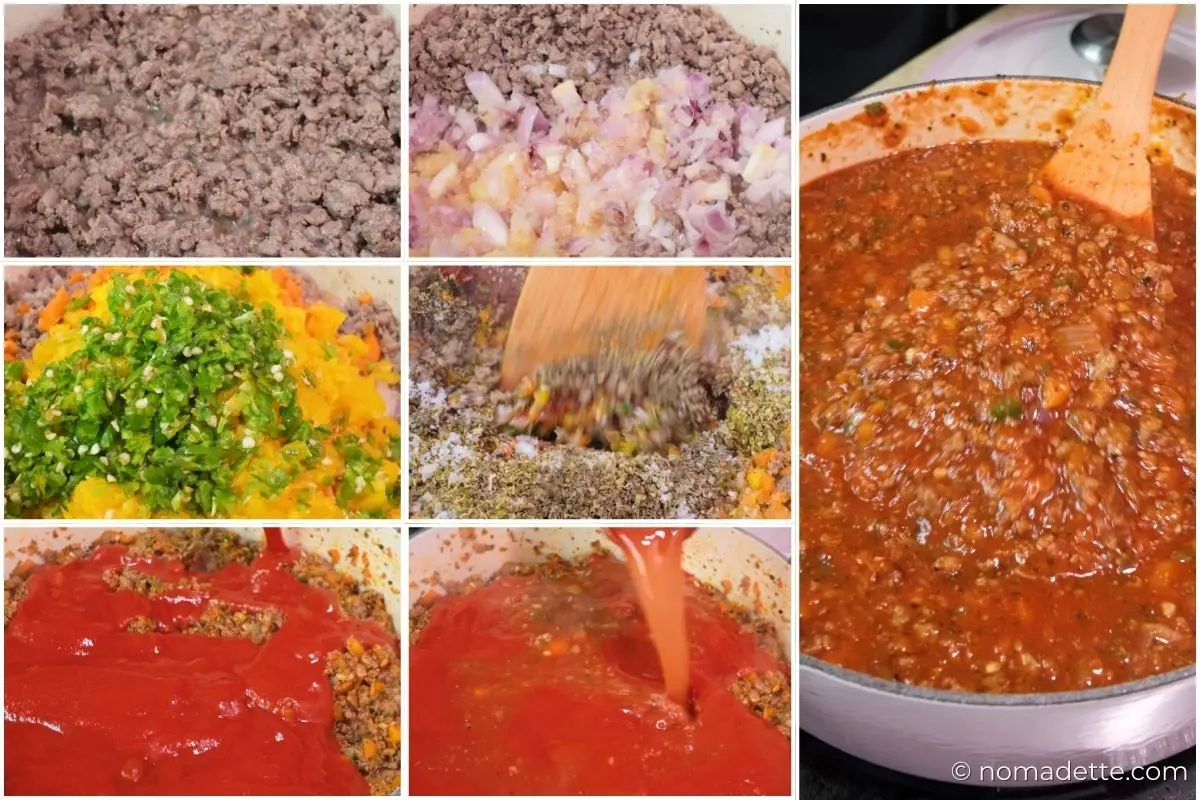
- Heat oil in a pot over medium-high heat. Add the ground beef and cook until all liquid evaporates and the beef begins to brown.
- Add onion and garlic, and sauté until fragrant. Stir to combine with the beef.
- Add diced carrots and capsicum; cook for 3–4 minutes to slightly soften.
- Stir in tomato paste, oregano, basil, chilli flakes, salt, and pepper.
- Pour in the passata and water/stock. Stir to combine.
- Bring to a boil, then lower to a gentle simmer. Cook for 40–50 minutes, stirring occasionally and adding more water or stock, as needed. You want a saucy consistency for no-boil sheets.
2. Make the Easy Cheese Sauce
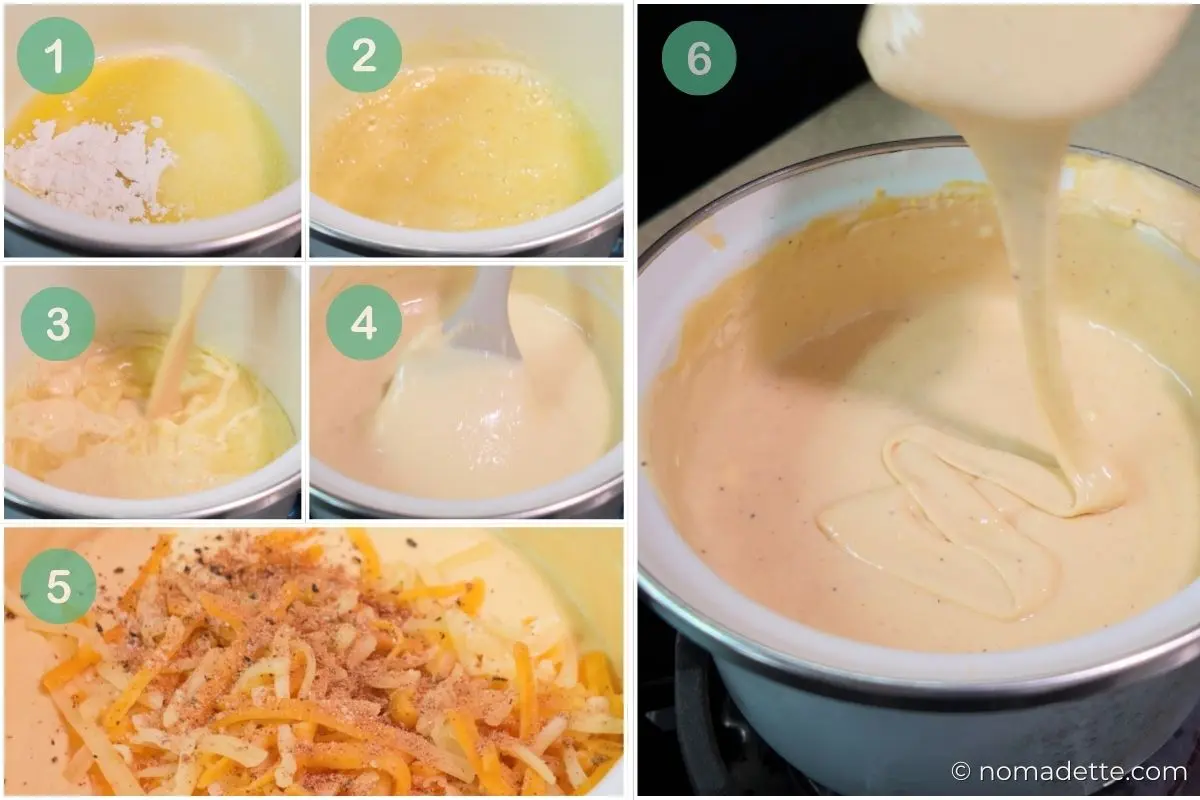
- Melt butter in a saucepan over medium heat.
- Add flour and stir for 1–2 minutes until smooth and slightly golden. This makes sure to cook off the flour to prevent a floury flavour.
- Slowly pour in the evaporated milk or milk while whisking or stirring with a spatula.
- Cook until slightly thickened.
- Turn off heat and stir in mozzarella, cheddar/parmesan, salt, pepper, and nutmeg. The sauce should still be able to drizzle off the spoon or spatula easily. If the sauce is too thick, gradually stir in milk.
3. Assemble
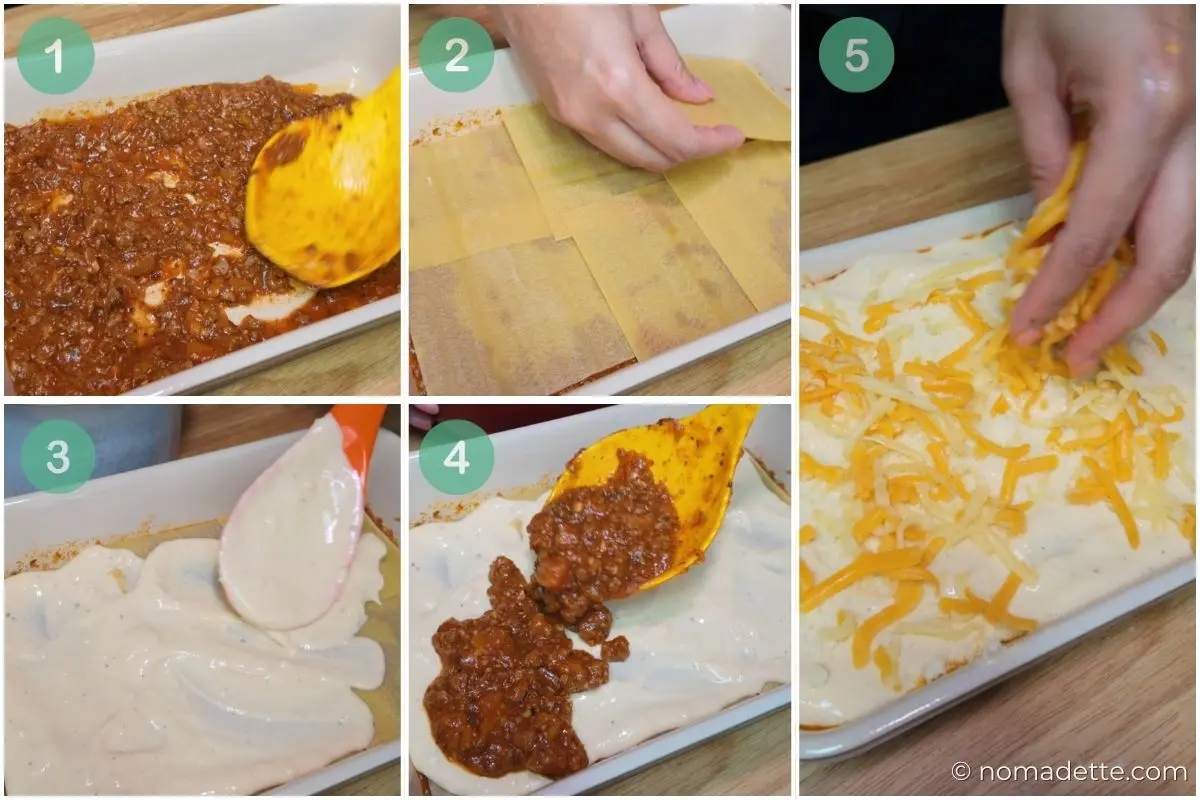
- Preheat oven to 375°F / 190°C.
- Spread a thin layer of meat sauce in the base of your baking dish.
- Add lasagna sheets, breaking them to fit if needed.
- Add layers of meat sauce → cheese sauce → more meat sauce.
- Repeat until the dish is nearly full.
- Finish with a layer of cheese sauce and shredded cheese on top.
4. Bake
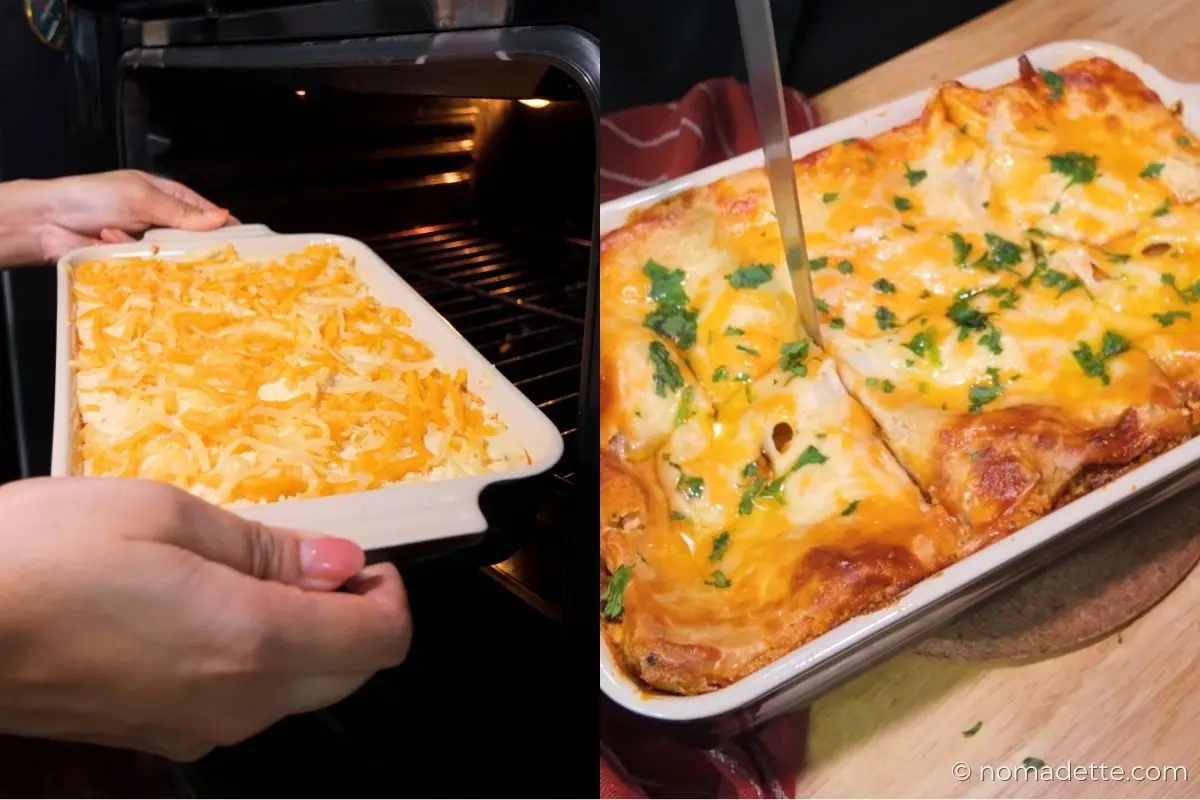
- Bake uncovered for 35–45 minutes, until the top is golden and bubbly. To check that the lasagna sheets are cooked through, use a fork or knife to poke through; it should slide through easily.
- Rest 10–15 minutes before slicing.
- Garnish with parsley or basil and extra parmesan, if desired.
How to Serve
- Let the lasagna rest for 10–15 minutes before cutting so the layers stay neat.
- Scatter fresh basil or parsley over the top.
- The lasagna is a complete meal with veggies, carbs and protein all in one pan! However, if you want a side to break up the heaviness, serve with a simple salad or roasted veggies that you can cook alongside the lasagna.
- For extra decadence, drizzle a bit of good olive oil over each slice.
Tips & Tricks
My Cheeky Sambal Twist
SOMETIMES I get a little cheeky and take this lasagna in a slightly different direction — with a sambal base!
I do a blended sambal paste with onions, garlic, ginger and rehydrated dried chillies, and saute until it splits oil. Then I add the beef mince, let that cook, and proceed with the rest of the recipe!
It turns the sauce spicy, roasty, and super aromatic, giving the whole dish this smoky, addictive heat that works way better than it has any right to. If you love a spicy kick, this version absolutely slaps.
Lasagna: Prep-Ahead & Freezer-Friendly!
One of the best things about lasagna is how beautifully it fits into a busy week.
It’s the kind of dish that tastes even better the next day as the flavours settle and the layers firm up, which makes it perfect for prepping ahead.
Perfect for meal prep, cozy dinners, or those nights when you want something warm and satisfying without starting from scratch.
To Make Ahead:
You can assemble the whole tray a day in advance — sauces done, layers stacked, cheese on top — then cover and refrigerate until you’re ready to bake. This not only saves time, but also makes the layers neater and the bake more even.
To Freeze:
Lasagna also freezes like a dream. It holds texture really well, and because the sauce is already saucy and rich, it doesn’t dry out after freezing.
You can freeze the entire tray unbaked, but it’s better to freeze cooked slices for easy grab-and-reheat meals. You can easily portion it out into freezer containers as well.
If freezing the entire tray unbaked, thaw completely before cooking for even cooking.
Storing & Reheating
Storing:
- Refrigerate leftovers in an airtight container for up to 4 days.
- To freeze, portion into slices or freeze the whole tray. Keeps well for up to 2 months.
Reheating:
- Microwave individual slices for 1–2 minutes until warmed through.
- For best texture, reheat in the oven at 180°C / 350°F for 15–20 minutes.
- If reheating from frozen, thaw overnight before reheating — or bake from frozen covered with foil until heated through. Covering the lasagna will prevent it from drying out in the oven.
More recipes like this
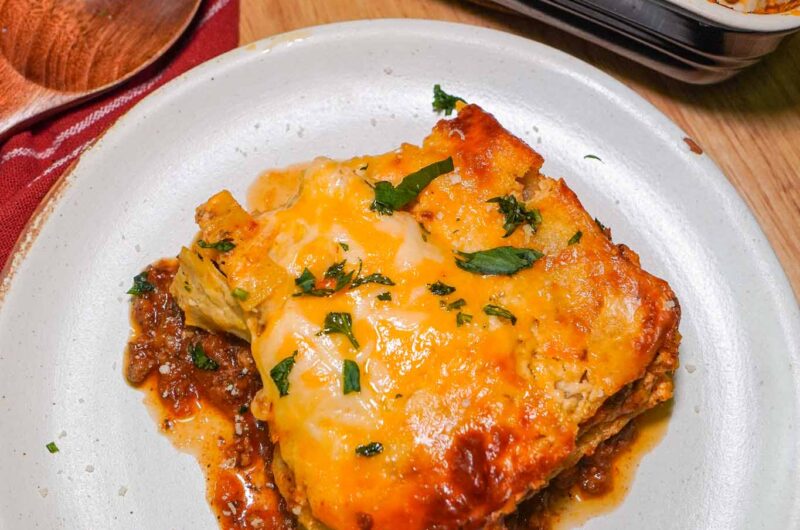
Lasagna (with hidden veggies and no-boil sheets)
6
servings40
minutes1
hour40
minutesMy go-to hidden-veggie lasagna made with no-boil sheets—saucy, cozy, and totally meal-prep friendly. This is how I make my lasagna!
Keep the screen of your device on
Ingredients
- Meat Sauce
500 g (about 1 lb.) ground beef
1 –2tbsp olive oil
1 medium onion, diced
4 cloves garlic, minced
1 medium carrot, diced
1 medium capsicum/bell pepper, diced
2 tbsp tomato paste
1 tsp dried oregano (or dried thyme/rosemary)
1 tsp dried basil
1 tsp chilli flakes (optional)
salt & pepper, to taste
2 cups / 500 ml tomato passata or tomato sauce
2 cups / 500 ml water or stock (plus extra if needed)
- Cheese Sauce
3 tbsp butter
3 tbsp all-purpose flour
2 cups / 480 ml evaporated milk or regular milk
1 cup shredded mozzarella
1 cup shredded cheddar or Parmesan
1/2 tsp salt & pepper, or to taste
1/4 tsp nutmeg (optional)
- Assembly
250 g no-boil/instant lasagna sheets*
1-2 cup / 100–200 g shredded mozzarella or mixed cheese
fresh parsley or basil, for garnish
extra Parmesan, optional
Directions
- Make the Meat Sauce
- Heat oil in a pot over medium-high heat. Add the ground beef and cook until all liquid evaporates and the beef begins to brown.
- Add onion and garlic, and sauté until fragrant.
- Add diced carrot and capsicum; cook for 3–4 minutes to slightly soften.
- Stir in tomato paste, oregano, basil, chilli flakes, salt, and pepper.
- Pour in the passata and water/stock. Stir to combine.
- Bring to a boil, then lower to a gentle simmer. Cook for 40–50 minutes, stirring occasionally and adding more water if needed. You want a saucy consistency for no-boil sheets.
- Make the Cheese Sauce
- Melt butter in a saucepan over medium heat.
- Add flour and stir for 1–2 minutes until smooth and slightly golden.
- Slowly pour in the evaporated milk while whisking (or continuously stir with a spatula). Continue to cook until the sauce slightly thickens.
- Once thickened, turn off heat. Stir in mozzarella, cheddar/parmesan, salt, pepper, and nutmeg until the cheese fully melts.
- Assemble
- Preheat oven to 375°F / 190°C.
- Spread a layer of meat sauce in the base of your baking dish.
This recipe fits baking dish sizes: 9×13 in/23×33 cm best, or a 7×10 in baking dish (taller and fuller lasagnas!) - Add lasagna sheets, breaking them to fit the dish, if needed. It’s ok if the sheets overlap slightly.
- Add layers of meat sauce → cheese sauce → more meat sauce. Repeat until the dish is nearly full, it should be 3 to 4 layers of lasagna sheets.
- Finish with a layer of cheese sauce and shredded cheese on top.
- Bake
- Bake uncovered for 35–45 minutes, until the top is golden and bubbly. To check that the lasagna sheets are cooked through, use a fork or knife to poke through; it should slide through easily.
- Rest 10–15 minutes before slicing.
- Garnish with parsley or basil and extra parmesan, if desired. Serve and enjoy!
Did you make this recipe?
Tag @nomadetteats on Instagram




)